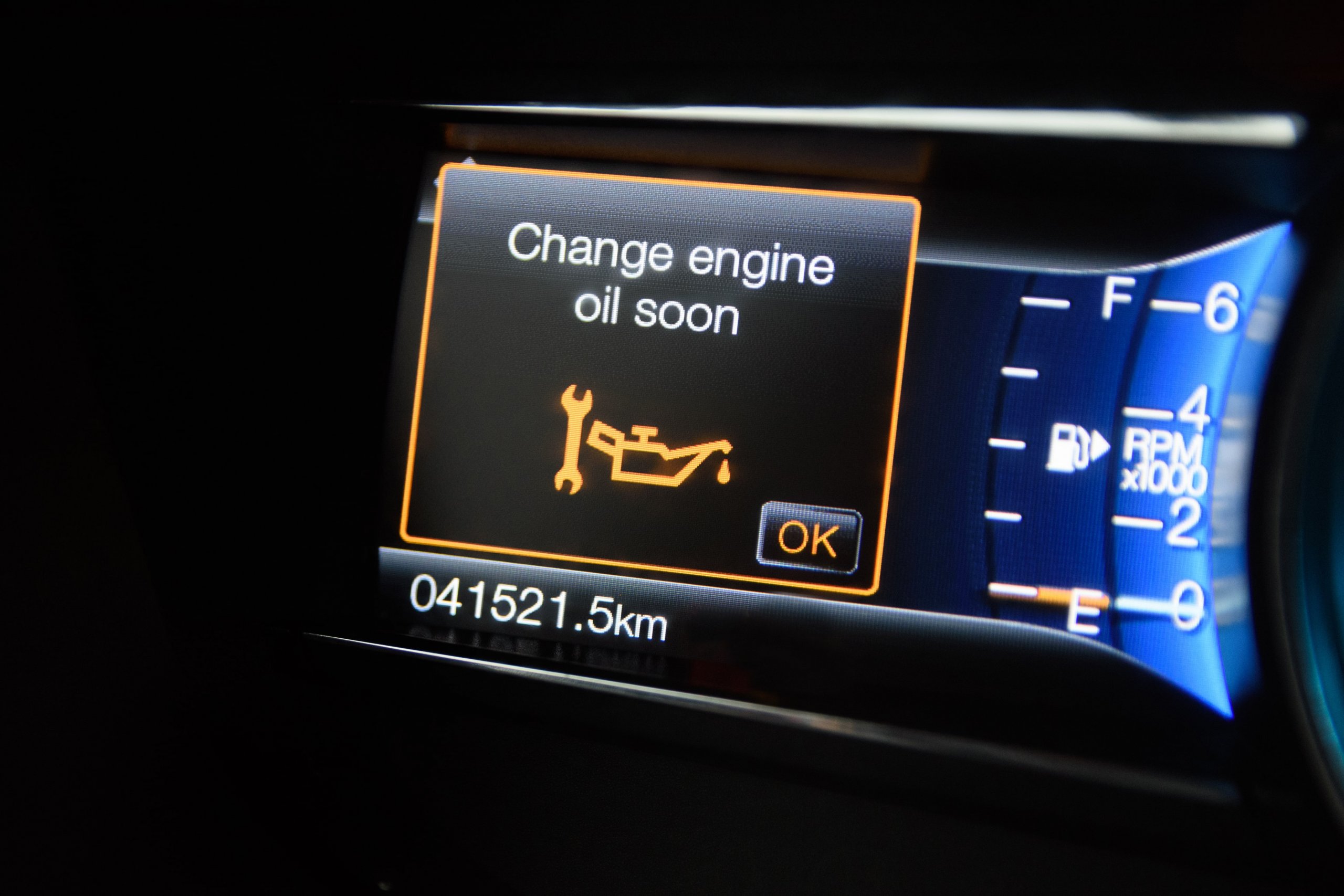
A routine oil change should keep your engine running smoothly, but what if something went wrong? An incorrect oil change can lead to major engine problems, costly repairs, and unexpected breakdowns—especially if the warning signs go unnoticed. From low oil levels to strange engine noises, there are clear indicators that your last oil change may not have been done correctly.
Your Nissan Rogue, Murano, Frontier, or Kicks relies on clean, high-quality oil to stay in peak condition. The right oil lubricates vital engine components, prevents overheating, and helps extend your vehicle’s lifespan. But when oil changes are done improperly—whether due to incorrect oil viscosity, leaks, or improper installation—your engine could be at serious risk.
In this guide, we’ll break down the five most common signs of an oil change gone wrong and what you can do to fix it before damage occurs. If you suspect an issue with your oil change or need expert assistance, contact Nissan of Mission Hills today to ensure your vehicle runs smoothly.
1. Low Oil Level or Oil Light Stays On
After an oil change, your car’s oil level should be checked to make sure everything is in order. If the oil light stays on or the oil level is low, it’s a sign that something went wrong during the service.
How to Check Your Oil Level
- Turn off your car and park on a flat surface.
- Wait for the engine to cool before checking the oil.
- Pull out the dipstick from the engine and wipe it clean with a cloth.
- Insert the dipstick back into the tube, then remove it again.
- Check the oil level. It should be between the "minimum" and "maximum" marks.
If the oil level is below the minimum line, or the oil light stays on even after an oil change, this could mean one of several things:
- Insufficient oil added: The mechanic might not have added enough oil during the change.
- Oil leak: There could be a leak somewhere, such as the oil filter or the drain plug.
- Oil pressure sensor issue: The sensor might be faulty and sending an incorrect warning.
For Nissan vehicles like the Murano or Frontier, a low oil level can lead to serious engine damage, especially if you’re driving long distances through Granada Hills or Pacoima. If your oil level drops quickly, it’s crucial to have it checked and topped up right away. Driving with low oil puts strain on your engine and can cause overheating or even engine failure.
If you notice either of these signs, it's important to take action as soon as possible to prevent further damage.
2. Oil Leaks Under Your Car
If you notice oil spots or puddles under your car after an oil change, there’s a chance something went wrong during the service. Oil leaks can happen for several reasons, and ignoring them can lead to major issues with your engine.
How to Spot Oil Leaks
- Look under your car after the oil change, especially after driving.
- Check the ground where your car was parked. If you see fresh oil spots or puddles, there’s a leak.
- Check the oil filter area and the area around the oil drain plug.
Common Causes of Oil Leaks
- Loose drain plug: If the plug wasn’t tightened properly, oil can escape.
- Improperly installed oil filter: If the filter is loose or not seated correctly, oil may leak out.
- Damaged oil pan: A damaged pan could allow oil to drip out, especially after the car has been driven.
Why Oil Leaks Are Dangerous
- Leaking oil reduces oil levels: If you lose oil, your engine may not get enough lubrication.
- Potential engine damage: If the oil level drops too low, your engine can overheat and cause internal damage.
If you spot any oil leaks, it's best to get your car inspected immediately. A trusted Nissan service center near Sylmar can help you identify and fix the issue. For models like the Murano or Frontier, keeping your oil level where it should be is crucial to maintain engine health. If you don’t address oil leaks early, you may face expensive repairs down the line.
3. Strange Engine Noises After an Oil Change
Your car's engine should run smoothly and quietly when it's properly lubricated. If you hear knocking, ticking, or rattling noises after an oil change, it could be a sign of an issue. These strange sounds should never be ignored.
Why Engine Noise Happens
- Proper lubrication: A well-lubricated engine moves smoothly, without friction.
- Engine noises: When oil isn’t doing its job, metal parts rub together, causing sounds like knocking or ticking.
Common Causes of Strange Noises
- Incorrect oil viscosity: Using the wrong type of oil can make the engine parts rub against each other.
- Low oil levels: Not enough oil can cause metal parts to grind, leading to loud, damaging noises.
Why Addressing Engine Noise is Crucial
- Prevent further damage: If you don't address engine noise quickly, it can lead to costly repairs.
- Nissan models: For Rogue, Murano, and Kicks, low or incorrect oil can cause serious damage to the engine over time.
If you hear any unusual noises after an oil change, take your car to a trusted service center. The sooner you act, the better it is for your engine.
4. Dirty Oil Right After the Change
When you get an oil change, you expect your engine to run smoothly. However, if the oil looks dirty right after the change, this is a sign that something may have gone wrong during the service. Here’s what you should look out for:
- Inspecting Oil Quality with the Dipstick: After an oil change, use the dipstick to check the quality of the oil. Simply remove it, wipe it clean, dip it back in, and pull it out again to check the oil’s color and texture.
- Clean Oil Should Be Golden: Fresh oil should be clean and golden in color. If the oil looks dark or gritty, this is an indication that the oil change might not have been performed correctly. This could happen if old oil was not fully drained from the engine or if a clogged filter was used.
- Possible Causes of Dirty Oil:
- Old Oil Not Fully Drained: If the old oil wasn’t completely drained before the new oil was added, the new oil could be contaminated with leftover particles.
- Clogged or Incorrect Oil Filter: A clogged filter might allow dirt and debris to remain in the system, making the new oil appear dirty much sooner than it should.
- Why Clean Oil Matters: Clean oil is vital for your engine’s health, especially if you frequently drive in stop-and-go traffic in places like Pacoima or Granada Hills. Dirty oil will not lubricate your engine as effectively, leading to faster wear and tear.
If you notice that the oil is dirty right after an oil change, it’s important to have your vehicle inspected at a trusted Nissan service center. This ensures that the oil change was done properly and that your engine remains protected.
5. Engine Overheating
An engine that overheats can cause major damage, and it might be a sign of an oil change gone wrong. Oil plays a key role in regulating your engine’s temperature, and improper oil changes can lead to overheating. Here's what to look for:
- How Oil Helps Regulate Engine Temperature: Oil circulates through the engine, keeping the parts lubricated and helping to dissipate heat. Without the right oil, or enough oil, the engine can overheat.
- The Wrong Oil Viscosity: Using the wrong oil viscosity can cause overheating. If the oil is too thick or too thin, it won't flow properly through the engine. This reduces its ability to regulate the engine's temperature, leading to overheating.
- Overheating in Warmer Climates: Overheating is more common in places with warm climates, such as Sylmar. The heat from the engine is harder to manage during hot weather, making it crucial to have a proper oil change.
- What to Do If Your Engine Temperature Gauge Spikes: If your engine temperature gauge rises after an oil change, stop driving immediately. Let your vehicle cool down and check the oil level. If the oil is low or dirty, or if you're using the wrong oil type, it could be time for a service visit.
If you're experiencing overheating issues after a recent oil change, it’s essential to have your vehicle checked by a professional to prevent long-term damage.
What to Do If You Notice These Signs
If you notice any of the signs mentioned earlier, it's important to take action quickly. Ignoring these issues could lead to more severe engine damage. Here’s what you should do:
- The Risks of Ignoring Incorrect Oil Change Signs: Failing to address problems like low oil levels, leaks, or overheating can lead to costly engine repairs. Over time, it can affect your vehicle’s performance and longevity.
- Schedule an Oil Check with a Trusted Nissan Service Center: If you’re experiencing issues after an oil change, it’s best to schedule an oil check with a certified service center. A professional can identify and fix the problem before it causes long-term damage.
- When to Get a Second Opinion: If you suspect that something went wrong with your oil change, don’t hesitate to get a second opinion. A different technician may catch mistakes or missed issues that could save you from future headaches.
Taking these steps can help protect your vehicle, such as the Murano, and ensure it continues running smoothly for years to come. If you’re unsure about the condition of your oil or suspect an issue, don’t wait—reach out to a trusted service center today.
How can I tell if my oil change was done improperly?
Signs of an improper oil change include oil leaks under your car, strange engine noises, dirty oil immediately after the change, and engine overheating. Any of these issues could indicate that something was wrong with the oil change process.
What are the immediate red flags or warning lights post-oil change?
After an oil change, you may notice warning lights such as the oil pressure light, check engine light, or a temperature warning. These could signal low oil levels, a loose oil filter, or other issues related to the oil change.
Should I revisit a mechanic if I suspect a botched oil change?
Yes, if you suspect an oil change was done incorrectly, it’s best to revisit your mechanic or seek a second opinion. The sooner you address the issue, the better to avoid more serious damage to your engine.
Schedule Your Next Oil Change at Nissan of Mission Hills
If you’ve noticed any of the signs discussed in this article, it’s important to address them quickly. At Nissan of Mission Hills, our certified technicians specialize in oil changes to ensure your vehicle runs smoothly. Whether you drive a Rogue, Murano, Kicks, or Frontier, we’ll make sure your car gets the correct oil and the best care possible.
For those in Granada Hills, Sylmar, and Pacoima, our expert service team is ready to help. We offer a convenient and quick oil change service, so you can get back on the road with peace of mind.
Looking to learn more about keeping your car in top condition? Check out our helpful guides on how to check oil levels, the benefits of changing your oil filter, and tools for oil changes to stay informed and keep your Nissan running like new.
You can easily book an appointment online or visit Nissan of Mission Hills today. Let us take care of your car so you can enjoy worry-free driving.
Get Directions to Nissan of Mission Hills
Disclaimer: All information is provided for general informational and entertainment purposes only. While we strive for accuracy, we cannot guarantee that all content is complete, current, or error-free. Any reliance you place on such information is strictly at your own risk. This article may include opinions and is not endorsed by, or officially affiliated with, any vehicle manufacturer or brand. Always consult official sources – such as the vehicle’s owner’s manual, authorized dealerships, or certified professionals – for the most up-to-date and personalized information.