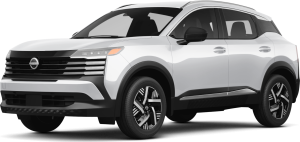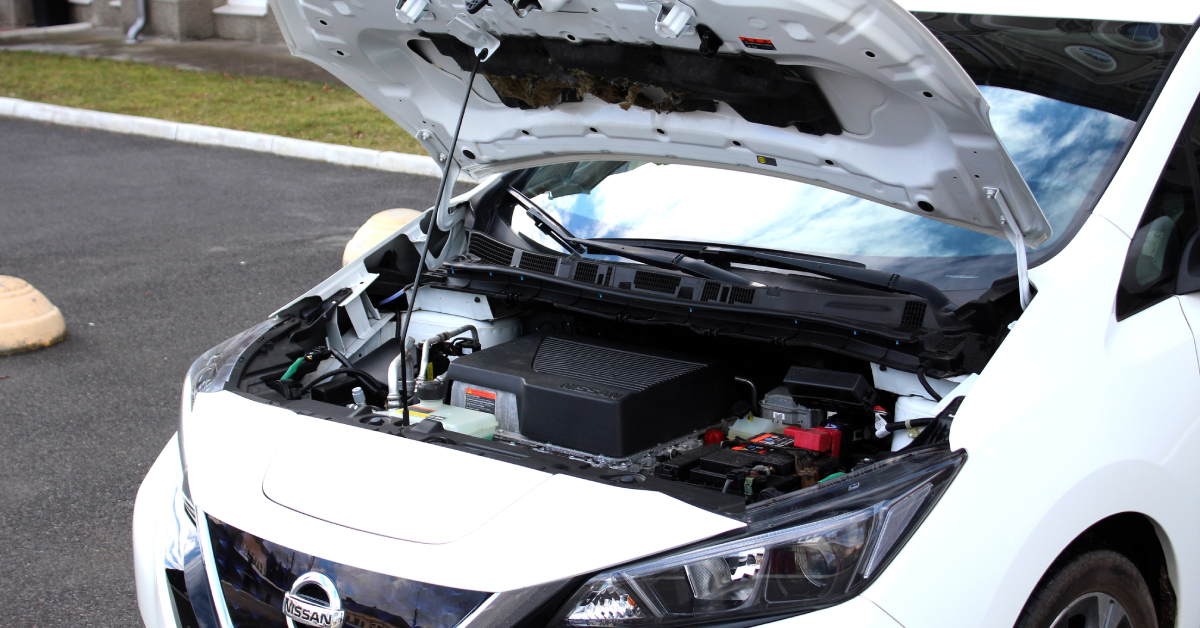
If you’ve ever wondered, "Do Nissan EVs need oil changes?"—you’re not alone. With more drivers in Granada Hills, Sylmar, and Pacoima making the switch to electric, understanding EV maintenance is key. The good news? Nissan electric vehicles like the Ariya and LEAF don’t require oil changes at all! Unlike gas-powered models such as the Nissan Sentra, Altima, and Rogue, EVs run on electric motors—meaning no engine oil, no oil filters, and no messy oil changes.
But that doesn’t mean your EV is completely maintenance-free. From brake fluid to coolant and transmission fluid, your Nissan EV still needs regular checkups to stay in peak condition. At Nissan of Mission Hills, our expert technicians are here to keep your electric vehicle running smoothly—without the hassle of traditional oil changes. Have questions? Stop by or contact us today to learn more about Nissan EV maintenance!
Do Nissan Electric Vehicles Require Oil Changes?
Short answer: No! Nissan EVs don’t need oil changes.
Many drivers are used to oil changes every few months. They know oil keeps an engine from overheating or wearing out. But EVs don’t have a gas engine, so there’s no oil to change.
Why Not?
Gas cars have engines with many moving parts. Oil keeps them cool and working right. EVs don’t have these parts.
- EVs use electric motors instead of gas engines.
- Electric motors don’t need oil to run.
- No oil means no oil changes.
Less Maintenance, More Savings
This big change makes EV care easy and cheap over time. No oil means:
- Fewer trips to the shop
- No oil change costs
- Less time spent on car upkeep
Still asking, “Do EVs need oil?” Visit Nissan of Mission Hills to learn more!
Fluids That Still Need Maintenance in a Nissan EV
One of the biggest benefits of driving an electric Nissan is that you never have to worry about oil changes. Unlike a gas-powered Rogue or Altima, EVs don’t use an internal combustion engine that needs oil to stay lubricated. However, that doesn’t mean your EV is completely maintenance-free. Some fluids still play a big role in keeping your vehicle in top shape.
Here are the key fluids you should keep an eye on:
- Brake Fluid – Your EV’s brakes work differently than those in a gas-powered car. Nissan EVs use regenerative braking, which helps slow the car and recharge the battery at the same time. However, the brake system still relies on brake fluid to work smoothly. Over time, this fluid absorbs moisture and becomes less effective. Replacing it regularly helps maintain braking power and safety.
- Coolant – Electric vehicles generate heat, especially in their battery and electrical components. To prevent overheating, Nissan EVs use a cooling system that relies on coolant. This fluid needs to be checked and replaced periodically to ensure your EV runs at the right temperature and stays efficient.
- Transmission Fluid – While EVs don’t have the complex transmissions found in gas-powered cars, they still use single-speed gear reducers that require lubrication. Over time, the fluid can break down and affect performance. Nissan recommends checking and changing EV transmission fluid according to the service schedule in your owner’s manual.
Keeping up with Nissan electric maintenance ensures your EV stays in peak condition for years to come. If you’re unsure when to service your EV, the experts at Nissan of Mission Hills can help. Schedule an appointment today and keep your Nissan running like new!
How Nissan EV Maintenance Differs from Gas-Powered Vehicles
Owning a Nissan EV is a different experience from driving a gas-powered Sentra. Electric vehicles have fewer moving parts, which means less maintenance over time. Unlike traditional cars, they don’t rely on an internal combustion engine that needs oil, belts, or spark plugs to run smoothly.
Here's a quick breakdown of how EVs differ from gas cars:
| Feature | Gas-Powered Cars (Like Sentra) | Nissan EVs (Like Ariya, LEAF) |
| Oil Changes | Required | Not needed |
| Oil Filters | Need replacement | None |
| Engine Type | Gas engine | Electric motor |
| Fuel | Gasoline | Electricity |
Even though Nissan EV oil changes aren’t needed, that doesn’t mean no maintenance at all. Brake fluid, coolant, and battery care are still important.
Want to learn more? Visit Nissan of Mission Hills to talk with our EV experts!
Here are the biggest differences in Nissan EV maintenance compared to gas-powered vehicles:
- No Nissan EV Oil Change Needed – A gas-powered Sentra requires regular oil changes to keep the engine running. Nissan EVs don’t use oil at all.
- No Spark Plug Replacements – Gas engines need spark plugs to ignite fuel. EVs run on battery power, so there’s no need for these.
- No Timing Belt Repairs – Timing belts control engine timing in gas cars. Since EVs have no combustion engine, they don’t need one.
While EVs skip many traditional maintenance tasks, they still require some care. The main focus areas include:
- Battery Health – The battery is the heart of your Nissan EV. Routine software updates and proper charging help it last longer.
- Brake System – Nissan EVs use regenerative braking, which slows wear and tear on brake pads. However, brake fluid still needs checking.
- Software Updates – Many performance and efficiency improvements come through software updates. Keeping your EV’s system up to date ensures optimal performance.
Less maintenance means more time on the road and lower costs over the years. Have questions about Nissan EV care? Visit Nissan of Mission Hills for expert service and advice!
What About Hybrid Nissan Vehicles? Do They Need Oil Changes?
Do EVs need oil? No, but hybrid vehicles are a different story. Nissan hybrids, like the Altima Hybrid or Rogue Hybrid, use both gas engines and electric motors. Since they still have an internal combustion engine, they do require oil changes.
Here’s how Nissan hybrid maintenance compares to full EV maintenance:
| Maintenance Task | Hybrid Nissan (Altima, Rogue Hybrid) | Fully Electric Nissan (LEAF, ARIYA) |
| Oil Changes | Yes, required | No, not needed |
| Brake Fluid Maintenance | Yes | Yes |
| Battery Care | Yes (Hybrid & 12V battery) | Yes (EV battery only) |
| Transmission Fluid | Yes | Sometimes, depending on model |
While Nissan EV oil changes aren’t needed, hybrids still require traditional maintenance like fluid checks, belt replacements, and engine upkeep. However, hybrids do benefit from their electric side, which helps reduce wear on brakes and improve fuel efficiency.
If you drive a Nissan hybrid and need service, visit Nissan of Mission Hills for expert care. Whether you own a hybrid, gas-powered, or fully electric Nissan, our team is here to help!
Long-Term Benefits of Owning a Nissan EV
Driving a Nissan EV comes with big long-term benefits. Whether you're in Sylmar, Pacoima, or nearby, switching to electric can save time and money.
Here’s why:
- Lower Maintenance Costs – No oil changes, no engine tune-ups, and fewer repairs mean less spending over the years.
- Fewer Service Trips – Unlike gas cars like the Altima or Rogue, Nissan EVs don’t need as many routine service visits.
- Eco-Friendly Benefits – Fewer fluid changes, less waste, and no tailpipe emissions help keep California’s air cleaner.
- Regenerative Braking Saves Wear – Nissan EVs reuse energy when braking, which reduces brake wear and extends brake life.
- Electric Incentives & Savings – Many state and federal programs offer rebates or tax credits for EV owners.
With fewer maintenance needs and lower long-term costs, Nissan electric maintenance is simpler and easier on your wallet. Want to learn more? Visit Nissan of Mission Hills today!
Top Maintenance Tips for Nissan EV Owners in Granada Hills, Sylmar, and Pacoima
Owning a Nissan EV comes with many perks, including less maintenance than a gas-powered car like the Sentra. But to keep your electric vehicle in peak condition, regular check-ups are still important. While you won’t need a Nissan EV oil change, other key areas do need attention to ensure long-term performance and reliability.
1. Follow Nissan’s Recommended Maintenance Plan
- Even though EVs don’t need oil, some fluids must be checked and replaced over time.
- Keep an eye on your coolant, brake fluid, and transmission fluid to ensure smooth operation.
- Regular service helps prevent costly repairs down the road.
2. Check Your Tires Regularly
- Proper tire pressure boosts efficiency, improves handling, and extends battery range.
- Rotate your tires on schedule to reduce uneven wear and maximize lifespan.
3. Stay Up to Date on Software Updates
- Nissan releases updates that can improve performance, battery life, and charging efficiency.
- Many updates install automatically, but scheduled service can ensure your EV is always optimized.
4. Use Nissan of Mission Hills for Expert EV Service
- Our trained Nissan technicians understand electric vehicles inside and out.
- We use genuine Nissan parts and advanced diagnostics to keep your EV in top shape.
- Whether you need a battery check, fluid service, or general inspection, we’re here to help.
Taking care of your Nissan EV is simple when you follow these steps. Want to schedule a service appointment? Contact Nissan of Mission Hills today!
1. Do Nissan electric vehicles require any traditional oil or fluid changes?
No, Nissan electric vehicles do not require traditional oil changes. However, some fluids like brake fluid and coolant still need periodic maintenance.
2. Are there other lubricants or cooling fluids for the EV powertrain?
Yes, Nissan EVs use coolant to regulate battery temperature and may require specialized lubricants for certain components, like the reduction gearbox.
3. How often should EV maintenance checks be done compared to gas-powered vehicles?
Nissan EVs typically require fewer maintenance checks than gas-powered vehicles. While traditional cars need frequent oil changes and engine servicing, EVs mainly require battery inspections and fluid checks, often at longer intervals.
Maintaining a Nissan EV is simpler than a gas-powered vehicle, but regular service is still important for long-term reliability. Contact Nissan of Mission Hills for expert EV maintenance.
Stay on Top of Nissan EV Maintenance with Nissan of Mission Hills
Even though Nissan EVs don’t need oil changes, routine maintenance is still essential. Regular fluid checks, battery inspections, and tire care help keep your vehicle running at its best. Keeping up with Nissan electric maintenance ensures that your EV remains efficient, safe, and reliable for years to come.
At Nissan of Mission Hills, our skilled technicians specialize in electric vehicle service. We use genuine Nissan parts and the latest diagnostic tools to keep your Nissan Rogue, Altima, Sentra, or EV performing at its peak. Whether you need a brake fluid replacement, tire rotation, or battery health check, we’ve got you covered.
If you’re in Granada Hills, Sylmar, or Pacoima, visit us to explore our wide selection of new and pre-owned Nissan vehicles. Our team is ready to help you find the perfect Nissan for your lifestyle, whether you’re looking for a fuel-efficient sedan, a spacious SUV, or a cutting-edge electric vehicle.
Looking for more ways to care for your car? Check out our expert resources:
- Wondering what type of oil is best for your Nissan? Learn about the differences between synthetic, high-mileage, and conventional oil to see which one meets your engine’s needs.
- Exploring Nissan trim options for 2025? Our detailed trim level guide breaks down key features and upgrades across the latest models.
- Live in the San Fernando Valley? Stay ahead of wear and tear with these five essential maintenance tips to keep your Nissan running smoothly year-round.
For expert Nissan EV service, new vehicles, or personalized assistance, contact Nissan of Mission Hills today! Our team is here to help with all your automotive needs.