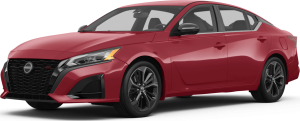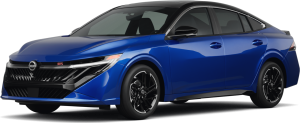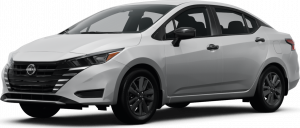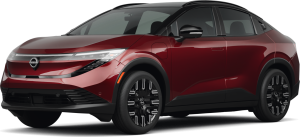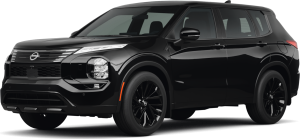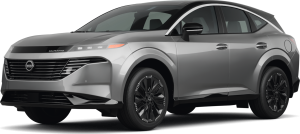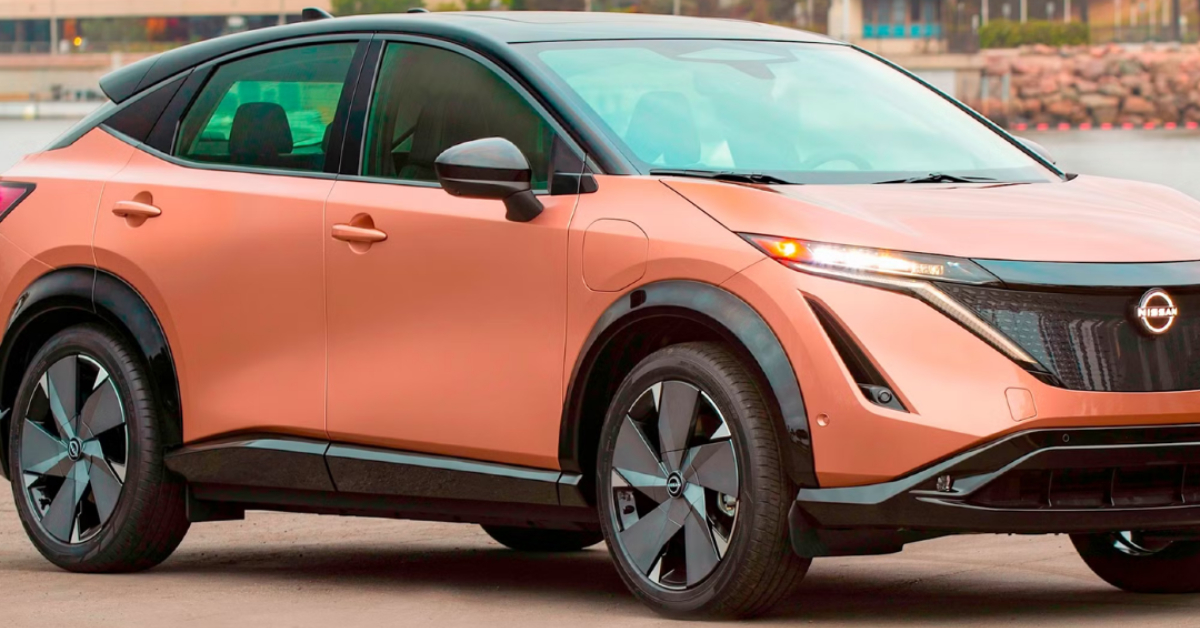
At Nissan of Mission Hills, we’re proud to serve drivers across Porter Ranch, Northridge, Panorama City, and beyond with expert support for all your automotive needs. Whether you’re searching for a new Nissan Ariya or Leaf, need trusted service and parts, or want guidance on EV ownership, our team is here to deliver exceptional care every step of the way. As the number one Nissan dealer in California with a reputation for the best customer service, we invite you to contact us today and experience the difference of working with a dealership that puts you first.
Charging an electric vehicle is one of the most common questions we hear from customers, and the 2025 Nissan Ariya makes it easier than ever. On a DC fast charger, the Ariya can charge from 10% to 80% in about 35 minutes, while a Level 2 home charger can fully replenish the battery overnight. If you’ve been wondering how long it takes to charge a Nissan EV, this guide breaks down charging times, real-world scenarios, and what drivers in the San Fernando Valley should expect when charging both the Ariya and the Leaf.
Nissan Ariya Charging Times
| Charging Method | 2025 Nissan Ariya |
| Full charge on 63 kWh battery (Level 2, 240 V) | ~10.5 hours |
| Full charge on 87 kWh battery (32 A Level 2 home charger) | ~14 hours |
| 63 kWh battery to 80% (130 kW DC fast charger) | ~35 minutes |
| 87 kWh battery to 80% (130 kW DC fast charger) | ~40 minutes |
| Level 1 charging (120 V, 0–100%) | 20–30+ hours |
What Are the Charging Specs of the Nissan Ariya?
The Nissan Ariya is built with flexible charging options that meet the needs of many drivers. You can charge a Nissan EV at home or on the go, and the Ariya supports both fast charging and slower overnight charging. This gives drivers the freedom to plan for quick trips or long daily commutes without worry.
The Ariya offers two battery sizes. Each comes with different charging times depending on the power source:
63 kWh battery
- Level 2 home charger: about 10.5 hours for a full charge
- DC fast charger: 10% to 80% in around 35 minutes
87 kWh battery
- Level 2 home charger: about 14 hours for a full charge
- DC fast charger: 10% to 80% in around 35 minutes
The Ariya uses DC fast charging with a peak rate near 130 kW. This makes it possible to recover most of the range during a short stop. The Nissan EV charging time will depend on the size of the battery and the charger you use, but these estimates are a reliable guide for planning.
For drivers who are familiar with the Nissan Leaf, the differences are clear. The Leaf supports DC fast charging as well, but at lower peak speeds compared to the Ariya. This means the Ariya offers shorter wait times and a greater range added per session. Both models use common connectors, so Nissan EV charger compatibility is not an issue for most public or home setups.
How Long Does It Take to Charge a Nissan Ariya in Real-World Conditions?
Charging times for the Nissan Ariya vary based on the charger, battery size, and driving habits. While factory numbers give a clear idea, real-world use can show small shifts. Drivers across Porter Ranch, Northridge, and nearby areas often rely on home charging at night, while fast chargers help on longer trips. Here are typical charging times:
DC Fast Charging (Level 3)
- 10% to 80%: about 35 minutes
- 10% to 90%: about 40 minutes
AC Level 2 (home charging)
- 63 kWh battery: around 10.5 hours
- 87 kWh battery: around 14 hours
Lower-power setups
- May take more than 20 hours for a full charge
In practice, Ariya drivers often see 30 to 35 minutes to move from about one-quarter charge to 80 percent. That makes quick top-ups at public stations realistic, even on busy days. For many commuters, plugging in at home overnight is still the most simple choice. A full charge while you sleep means a ready car each morning.
The Ariya uses common charging standards, so Nissan EV charger compatibility is not a problem at most stations. This is the same ease many owners enjoy with the Leaf. Both models highlight the value of owning a Nissan EV, with charging networks across Los Angeles making daily use stress-free.
What Factors Can Affect Your Nissan EV Charging Time?
Charging an Ariya does not always follow one set time. Many factors can speed up or slow down the process. Drivers across Panorama City, Los Angeles, and nearby areas may notice these shifts in daily use. Key factors include:
1. Battery state of charge
- Fastest rates occur between 10 and 80 percent.
- Charging slows once the battery nears full.
2. Charger power and network availability
- Public fast chargers work much quickly than home outlets.
- A stable network ensures less waiting and a wider range.
3. Battery temperature and weather
- Extreme cold or heat can add time.
- Mild weather often allows the system to work at peak speed.
4. Charging curve and tapering
- Early stages are faster.
- Power tapers down as the battery fills.
5. Battery age, firmware, and health
- Older packs may charge slower.
- Updates from a trusted service team can help.
Nissan EV charger compatibility also plays a part. The Ariya works with common charging networks, which helps owners plan trips with less stress. Many drivers compare this ease to the Leaf, and both show how flexible a Nissan EV can be in real life. Finding the best Nissan dealer in California also matters when it comes to charging support. A dealer with the best customer service will guide you through software updates, charging tips, and even home charger setups. This ensures your Ariya stays in top form and charges as quick as the system allows.
What’s New for the 2025 Nissan Ariya and Leaf Charging Options?
The 2025 Nissan Ariya continues to offer strong charging support, with speeds up to 130 kW on DC fast chargers. This allows drivers to reach 80 percent charge in well under an hour. At home, most owners will still rely on overnight charging with a Level 2 setup, which fits well with daily driving needs.
New for 2025 is broader access to the Tesla Supercharger network through the NACS connector. This update gives Ariya and Leaf drivers more ways to charge a Nissan EV across California and beyond. Expanded access means shorter wait times, easier road trips, and a more reliable charging experience. Key points for 2025 charging:
Ariya
- Up to 130 kW DC fast charging.
- 10–80 percent in about 35 minutes.
- Level 2 home charging: 10–14 hours.
Leaf
- Supports DC fast charging, but at lower peak rates.
- Best suited for overnight charging at home.
- Remains a cost-friendly EV choice.
Together, the Ariya and Leaf highlight Nissan’s push toward a strong EV future. The Leaf appeals to drivers who want a proven and affordable electric car. The Ariya offers more power, range, and faster charging times for those who want a step up. For guidance on charging setups, updates, or EV service, the number one Nissan dealer in California can help drivers find the right solution with expert care.
Which Charging Setup Is Best for Daily Driving and Road Trips?
Choosing the right charging setup depends on how and where you drive. The Ariya makes it easy to match the system to your needs. For most drivers in Porter Ranch or Northridge, daily use will look very different from long road trips.
Best setups by driving style:
Daily Driving
- Level 2 home charging is the most practical.
- Plug in at night and wake up to a full battery.
- This setup fits the needs of most families and commuters.
Road Trips
- DC fast charging is the best choice on highways.
- Aim for the 10 to 80 percent range for the fastest results.
- Use high-output stations to save time and reduce stress.
Tips to maximize charging:
- Precondition the battery when possible.
- Avoid deep discharge to protect battery health.
- Plan stops at stations with higher power ratings.
When you charge a Nissan EV like the Ariya with the right method, you save time and extend battery life. This balance of daily home use and fast on-the-go charging keeps families moving with confidence, whether it’s a short drive to school or a long trip out of town.
Frequently Asked Questions About Nissan EV Charging
Drivers often have very specific questions about charging times and compatibility. Clear answers help plan daily use and long trips with confidence.
Can Nissan EVs use Tesla superchargers?
Starting in 2025, Nissan EVs including the Ariya and Leaf will have access to Tesla Superchargers using the NACS connector.
Where Can You Learn More About Nissan EV Charging in Panorama City, Northridge, and Porter Ranch?
Nissan of Mission Hills is proud to serve drivers in Porter Ranch, Northridge, and Panorama City with expert care. As the number one Nissan dealer in California and a 2025 Nissan Global Award Winner, our team works hard to provide the best customer service in the region. Whether you are looking for a new Ariya, a reliable Leaf, or guidance on Nissan EV charger compatibility, our staff is here to help.
We invite you to continue exploring our site and check for the latest Nissan vehicles available at our dealership. Browse our wide selection of new and pre-owned models, from efficient sedans to capable SUVs, and find the perfect fit for your lifestyle. Whether you're shopping for performance, comfort, or advanced technology, there’s a Nissan waiting for you to experience.
Learn how advanced technology like the Ariya E-4ORCE AWD system improves handling, read trusted dealer reviews, or understand the stop-and-go damage that can affect your daily drives. Whether you’re comparing the Ariya with the Leaf or looking for guidance on Nissan EV charger compatibility, you’ll find everything you need right here.
Visit Nissan of Mission Hills today and continue exploring our site for more resources to help with every step of your EV journey.
Get Directions to Nissan of Mission Hills
Disclaimer: All information is provided for general informational and entertainment purposes only. While we strive for accuracy, we cannot guarantee that all content is complete, current, or error-free. Any reliance you place on such information is strictly at your own risk. This article may include opinions and is not endorsed by, or officially affiliated with, any vehicle manufacturer or brand. Always consult official sources – such as the vehicle’s owner’s manual, authorized dealerships, or certified professionals – for the most up-to-date and personalized information.