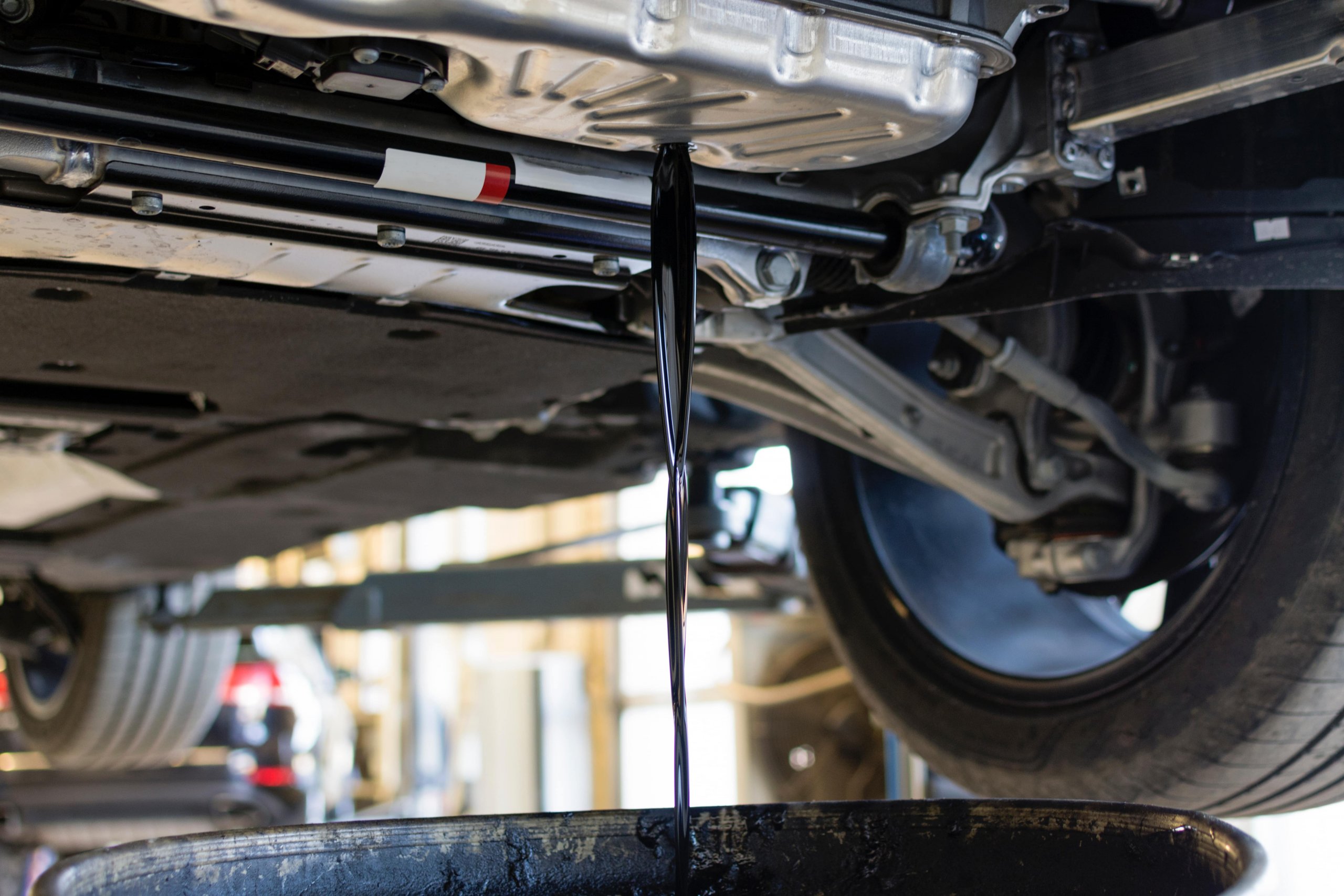
Changing your own oil? Great! But what do you do with that old, used motor oil afterward? If you’re thinking about dumping it in the trash or pouring it down the drain—stop right there. Improper disposal of used motor oil can cause serious environmental harm and even damage local water supplies.
Used motor oil doesn’t just disappear. In fact, a single gallon of improperly disposed oil can contaminate a million gallons of water! That’s why proper disposal is not only a responsible choice—it’s a must. Whether you drive a fuel-efficient Nissan Kicks, a powerful Armada, or a smooth-handling Altima, keeping up with regular oil changes is essential for performance. But just as important is making sure the old oil is handled the right way.
In this guide, we’ll break down the best ways to dispose of used motor oil safely, clear up common myths, and show you how Nissan of Mission Hills can help. Whether you need a fresh oil change or want to drop off your used oil for safe disposal, our team is here for you. Let’s keep your Nissan running strong while protecting the environment—read on to learn how!
Why You Should Never Dump Used Motor Oil
Getting rid of old oil the wrong way is dangerous. It harms the environment and can even lead to legal trouble. Many people don’t realize how much damage just one oil change can do if the oil is not handled the right way.
The Dangers of Improper Oil Disposal
Used motor oil contains harmful chemicals. If it seeps into the ground, it can pollute soil and water. This is a serious problem, especially in areas like Granada Hills, Sylmar, and Pacoima, where clean water is a priority.
- One gallon of oil can contaminate one million gallons of water.
- Dumped oil can poison fish, birds, and other wildlife.
- Oil left on driveways or streets can wash into storm drains, leading straight to rivers and oceans.
The Legal Risks
California has strict laws about used oil disposal. If you dump oil, you could face fines or other penalties. Many cities, including Granada Hills and Sylmar, have collection centers where you can take used oil for free.
In California, the law requires:
- Used oil to be taken to a certified collection center.
- Stores that sell motor oil to accept used oil for recycling.
- Heavy fines for those who dump oil in drains, trash bins, or on the ground.
Do the Right Thing
Every car needs regular oil changes, whether it’s a small, fuel-efficient model or a larger SUV. If you drive a Kicks or another Nissan, keeping up with maintenance is key. But it’s just as important to dispose of oil after a change the right way.
Recycling used oil keeps our roads, parks, and water clean. Instead of dumping it, take it to a local collection site or visit Nissan of Mission Hills for guidance. Making the right choice protects your community—and the planet.
How to Store Used Oil for Safe Disposal
Once you’ve changed your oil, it’s important to store it the right way. This keeps it from leaking, spilling, or getting mixed with other harmful substances. If used oil is not stored properly, it can’t be recycled. That’s why taking the right steps is so important.
Choosing the Right Container
Not all containers are safe for storing used oil. The right one will prevent leaks and keep the oil clean.
Good options for storage include:
- The bottle your new oil came in
- A container made for oil changes
- A polyethylene jug with a secure lid
Never use:
- Milk jugs or other thin plastic bottles (they can leak)
- Glass containers (they can break)
- Open pans or buckets (they can spill)
Keep Oil Free from Contaminants
Used oil can be recycled, but only if it’s clean. If mixed with other fluids, it can no longer be processed.
To keep your oil free from contamination:
- Do not mix it with water, gas, or antifreeze
- Keep dirt, leaves, or debris out
- Use a funnel when pouring oil into the container
Store in a Safe Place
Until you’re ready to get rid of used oil, store it in a cool, dry place. Extreme heat or cold can damage the container and cause leaks.
Safe storage tips:
- Keep the container upright to prevent spills
- Store in a garage or shed, away from direct sunlight
- Place it on a surface that won’t absorb leaks
Whether you drive a sedan, truck, or a large SUV, keeping up with oil changes is key to vehicle health. Storing used oil the right way ensures it can be recycled. This protects the environment and helps keep your community clean.
Where to Dispose of Oil After a Change
Once you’ve stored your used oil properly, the next step is getting rid of it the right way. Many places accept used oil for free, making it easy to recycle and keep harmful waste out of the environment.
Local Drop-Off Locations
Several places near Granada Hills, Sylmar, and Pacoima accept used oil. These include:
- Auto shops and dealerships – Many service centers accept used oil for recycling.
- Recycling centers – Most city-run waste disposal sites take used motor oil and oil filters.
- Auto parts stores – Some locations of AutoZone, O’Reilly Auto Parts, and Advance Auto Parts offer free oil recycling.
Before heading to a location, call ahead to confirm their policies. Some places have limits on how much oil they accept per visit.
Finding a Drop-Off Location Online
If you’re unsure where to take your oil, several online tools can help:
- Earth911 (www.earth911.com) – Enter your zip code to find nearby recycling locations.
- City waste disposal websites – Many local governments list drop-off sites and hours of operation.
- State environmental agencies – Some states provide searchable databases of oil recycling centers.
Why Proper Disposal Matters
Recycling engine oil keeps it from polluting water and soil. It also allows the oil to be cleaned and reused, reducing waste.
When you change the oil in your car, taking the extra step to recycle it helps protect your community. Proper disposal ensures that motor oil doesn’t end up in landfills or storm drains, where it can cause serious harm.
Recycling Engine Oil: How Used Oil is Reused
When you dispose of oil after a change, it doesn’t have to go to waste. Used oil can be cleaned and reused in many ways. Recycling keeps harmful waste out of the environment while turning old oil into useful products.
How Used Oil is Refined and Repurposed
Once collected, used motor oil goes through a refining process to remove dirt, metal particles, and other debris. The cleaned oil is then repurposed in several ways, including:
- Reprocessed Motor Oil – Used oil can be filtered and blended with new additives to create fresh motor oil.
- Industrial Lubricants – Many factories use recycled oil to keep machinery running smoothly.
- Asphalt Production – Some road surfaces contain refined oil to improve durability.
The Environmental Impact of Recycling Oil
Recycling engine oil helps reduce waste and pollution. Instead of letting oil seep into the ground or contaminate water, it can be put to good use. Benefits include:
- Lower Carbon Footprint – Recycling uses less energy than producing new oil from raw materials.
- Less Pollution – Proper disposal keeps toxic substances out of soil and water.
- Sustainable Resource Use – Since oil doesn’t wear out, it can be cleaned and reused many times.
Recycling oil is a simple way to help the planet. Instead of throwing it away, make sure your used oil is collected and given a second life.
How to Dispose of Used Oil Filters Safely
When learning how to get rid of used oil, it’s important not to forget about the oil filter. These filters trap dirt, metal bits, and sludge, keeping your engine clean. But once removed, they still hold some oil. If tossed in the trash, they can leak and harm the environment. That’s why recycling is the best option.
Why Oil Filters Should Be Recycled
Used oil filters contain old motor oil, even after draining. This leftover oil can seep into the ground and pollute water. Recycling filters helps:
- Keep toxic waste out of landfills.
- Reduce pollution in soil and waterways.
- Allow metal parts to be reused in new products.
How to Drain an Oil Filter Before Recycling
Before recycling, the filter must be drained. Follow these steps:
- Let it Sit – Place the filter over a drain pan for 12-24 hours to remove trapped oil.
- Store It Properly – Put the drained filter in a sealed bag or container to prevent leaks.
- Take It to a Recycling Center – Many auto shops and waste facilities accept used filters.
Where to Recycle Used Oil Filters
In Pacoima, Sylmar, and Granada Hills, several locations accept used filters, including:
- Auto Parts Stores – Many stores like AutoZone and O’Reilly Auto Parts offer filter recycling.
- Local Waste Facilities – City-run disposal sites often accept used oil and filters for free.
- Certified Recycling Centers – Websites like Earth911 can help locate the nearest drop-off point.
Proper disposal helps protect the environment and keeps harmful waste out of landfills. Always recycle your used filters instead of throwing them away.
Do-It-Yourself Oil Change Kits: A Convenient Option
Changing your oil at home saves time and money. A DIY oil change kit makes the job simple. These kits come with the tools you need, helping you avoid messy spills. They also make recycling engine oil easier.
Benefits of DIY Oil Change Kits
A DIY kit gives you control over your vehicle's maintenance. Benefits include:
- Convenience – Change your oil on your schedule without visiting a shop.
- Cost Savings – Avoid labor fees by doing it yourself.
- Better Engine Care – Regular changes help your car run smoothly.
How to Change and Dispose of Oil at Home
A do-it-yourself oil change is simple with the right steps:
- Gather Supplies – Get an oil change kit, gloves, and a drain pan.
- Drain the Old Oil – Use a wrench to remove the plug and let oil flow into the pan.
- Replace the Oil Filter – A fresh filter keeps the engine clean.
- Add New Oil – Pour in the correct amount and type for your car.
- Recycle the Used Oil – Take it to a recycling center or auto shop.
Recommended Tools for Easy Disposal
Proper disposal is just as important as the oil change itself. Here are useful tools to make it easier:
| Tool | Purpose |
| Drain Pan | Catches used oil to prevent spills |
| Oil Storage Container | Holds used oil until recycling |
| Oil Filter Wrench | Makes filter removal easier |
| Funnel | Helps pour new oil cleanly |
A DIY oil change kit makes the process simple. It also ensures that used oil is handled responsibly. Recycling engine oil protects the environment and keeps roads cleaner.
What Happens If You Don’t Dispose of Oil Properly?
Used motor oil is harmful if not handled the right way. Pouring it down a drain or onto the ground can cause damage. It also leads to legal trouble. Instead, it’s best to dispose of oil after a change at a proper facility.
Fines and Legal Penalties
Improper oil disposal is against the law. Fines and penalties vary but can be costly.
- Dumping oil in drains, soil, or trash is illegal.
- Fines can range from hundreds to thousands of dollars.
- Businesses caught dumping oil face even harsher penalties.
Oil Pollution in California’s Waterways
Oil that seeps into the ground can reach water sources. Even a small spill can cause harm.
| Effect | Purpose |
| Water Contamination | Pollutes drinking water and harms wildlife |
| Soil Damage | Prevents plants from growing |
| Harm to Marine Life | Coats fish and birds, making it hard to survive |
Effects on Vehicles and the Environment
Improper disposal does more than harm nature. It also affects your car’s health.
- Oil buildup in the wrong areas damages roads and parking lots.
- Toxic fumes from oil waste reduce air quality.
- Used oil left in an engine can cause damage over time.
The best way to prevent these problems is to dispose of oil after a change the right way. Recycling keeps the environment safe and protects your wallet.
Where can I dispose of used engine oil responsibly?
Used engine oil can be taken to auto parts stores like AutoZone and O’Reilly Auto Parts, recycling centers, and local hazardous waste facilities.
Are there regulations or guidelines on pouring used oil down the drain?
Yes, it is illegal to pour used oil down the drain. Improper disposal can result in heavy fines and environmental damage.
How do I store used oil before taking it to a recycling center?
Store used oil in a clean, leak-proof container with a secure lid. Keep it in a cool, dry place away from water and debris.
By following these guidelines, you can help protect the environment and avoid potential legal issues. If you need more information, check with your local waste management services.
Get Your Next Oil Change at Nissan of Mission Hills
Taking the right steps to dispose of used oil protects the environment and keeps your vehicle running smoothly. Here’s a quick recap of what to do:
- Use a clean, sealed container to store used oil.
- Take oil to a certified recycling center, auto parts store, or hazardous waste facility.
- Never pour oil down the drain or on the ground—it’s illegal and harmful to the environment.
Nissan owners in Granada Hills, Sylmar, and Pacoima can take advantage of local oil recycling programs to make disposal easy and safe. If you’d rather leave the work to professionals, Nissan of Mission Hills can help. Our service team is ready to handle your next oil change and ensure used oil is properly recycled.
Looking for more maintenance tips? Learn about the best way to change your oil, explore different Nissan trim levels, or find out how much a Nissan oil change usually costs. You can also browse our selection of vehicles, including the Kicks, Armada, and Altima. Contact Nissan of Mission Hills today!