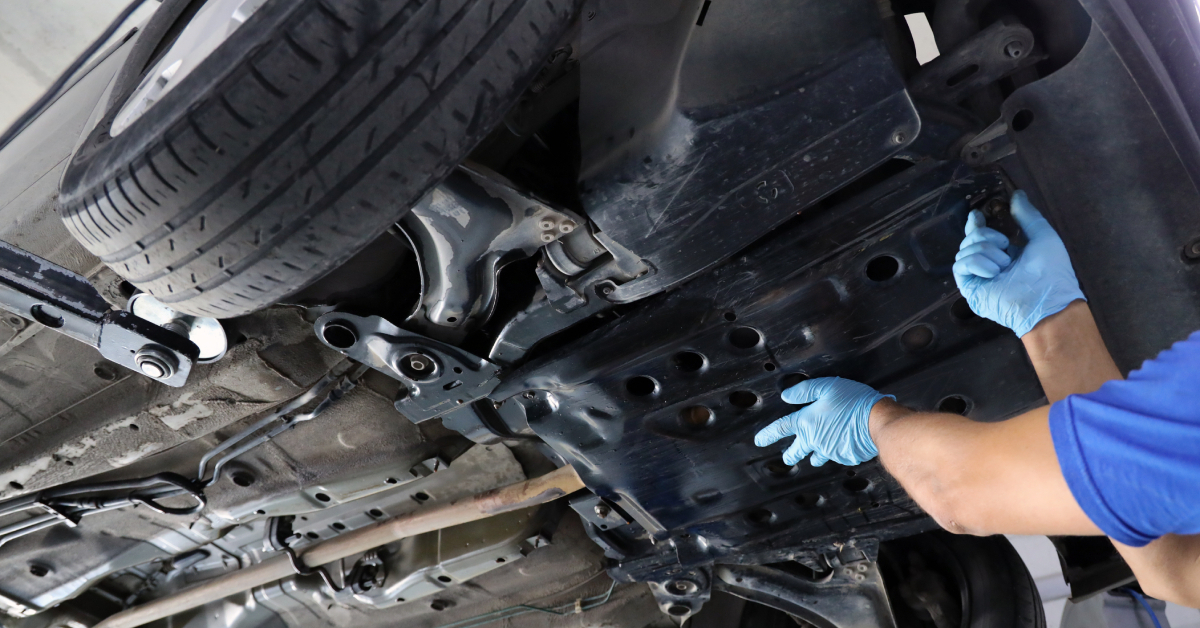
What Is an Oil Pan and Why It’s Essential for Your 2025 Nissan
If you’ve ever crouched under your car for a DIY oil change or scanned a mechanic’s checklist after a service, you’ve probably heard about the oil pan—but do you really know where it is or what it does? Let’s break it down.
The oil pan is a vital yet often overlooked part of your Nissan’s engine system. Positioned at the very bottom of the engine block, it acts as a reservoir for motor oil—collecting it when the engine is off and feeding it through the lubrication system when the engine is running. Without it, your engine would overheat, wear out quickly, or fail altogether.
In this guide, we’ll show you exactly where to find the oil pan on popular 2025 Nissan models like the Sentra, Versa, Rogue, and Kicks. We’ll also walk you through signs of oil pan damage, how to safely replace or inspect it, and which Nissan models are easiest to service if you prefer to get your hands dirty.
Need expert help or genuine Nissan parts for your oil pan replacement? Visit Nissan of Mission Hills, proudly serving the San Fernando Valley and beyond with award-winning service and the most up-to-date knowledge on Nissan maintenance.
Where Can You Find the Oil Pan in Your Nissan?
The oil pan is not hard to find once you know where to look. It’s located under the engine, bolted to the bottom of the crankcase. This spot lets it collect all the oil that flows through your engine when it's not running.
On most 2025 Nissan models—like the Sentra and Versa—the oil pan follows a simple layout. This makes oil changes and inspections much easier for drivers who want to take care of basic service at home.
Here’s what you need to know:
- The oil pan sits at the lowest point of the engine.
- It's shaped like a shallow bowl and made to catch and hold engine oil.
- It's usually metal, but some 2025 models may use plastic versions.
- The drain plug is often found on the rear passenger side, behind the skid or belly pan.
This layout gives easy access from below, which is good news for anyone doing a DIY oil change. If you’re looking for an easy Nissan oil change in Mission Hills, this is one of the reasons many people choose models like the Sentra.
To make it even easier, here’s a quick reference:
| Feature | Location / Detail |
| Oil Pan Position | Bottom of engine block, under the vehicle |
| Drain Plug Location | Rear passenger side, behind belly pan |
| Access for Service | Straightforward from beneath the vehicle |
| DIY-Friendly Models | Sentra, Versa, Rogue, Kicks |
Because of this design, many Nissan models are considered easy to service. You don’t need advanced tools or training to spot the oil pan or remove the plug. That’s why drivers near Mission Hills appreciate how simple it is to keep up with oil changes—especially when driving a well-designed car like the Sentra.
Do All Nissan Models Have the Oil Pan in the Same Location?
The short answer is yes—but with a few key details. On nearly all Nissan models, the oil pan sits at the base of the engine. That part is consistent. It bolts to the bottom of the crankcase and can be seen from under the car. But while the location stays the same, other factors can vary.
Engine type and trim level can affect what the oil pan looks like and how it’s built.
Here’s a simple breakdown of common engine families and how they differ:
| Engine Series | Details on Oil Pan Design |
| VQ-Series (e.g., Rogue) | Pan sits low under V-block; often metal |
| KR or KA-Series (e.g., Versa, Sentra) | Inline layout; varies by model year |
Some models built in Japan use a different bolt layout than those made in North America. For example, the KA24DE engine can have small design shifts that affect the type of oil pan or gasket it needs. That means two cars with the same engine name may need different parts.
If you're planning a Nissan oil change DIY in Mission Hills, it’s a smart move to check your model and engine code first. You don’t want to buy the wrong pan or plug.
Things to confirm before starting DIY work:
- Is your engine inline or V-shaped?
- Is your drain plug metal or plastic?
- Is the vehicle made in North America or Japan?
- Does your car have a skid plate blocking access?
Drivers in areas like Pacoima or Sylmar often choose models like the Rogue or Versa because of their simple layout. These cars often have easy oil access, making DIY care less of a chore.
While the oil pan sits in the same place on every Nissan, the parts connected to it—like the drain plug or gasket—might be different. Always check before you start. It can save you time, tools, and trouble.
How to Tell if Your Oil Pan Needs Replacement or Repair
The oil pan in your vehicle does more than just hold oil. It keeps the engine running smoothly by helping circulate clean oil. But over time, it can wear down or become damaged—especially if you’re driving in busy, high-impact areas like Sylmar or Granada Hills.
If you're driving a Nissan like the Sentra—well-known for being one of the best for DIY maintenance—it's worth learning the signs of a bad oil pan. Catching the problem early can save you from major engine damage.
Here are a few easy-to-spot signs that your oil pan may need a repair or full replacement:
Watch for These Warning Signs
- Oil stains under your car — Even a small leak means the oil pan seal could be damaged.
- Low oil levels — If you’re topping off oil too often, check the oil pan.
- Smoke from under the hood — Oil leaking onto hot engine parts can cause smoke or a burning smell.
- Check engine light — This might turn on if the oil pressure drops due to a leak.
Common Causes of Oil Pan Damage
| Cause | Description |
| Potholes | Deep potholes can crack or dent the oil pan, especially in lower vehicles. |
| Road Debris | Sharp metal, rocks, or broken glass can puncture the oil pan. |
| Rough Urban Driving | Stop-and-go traffic and speed bumps increase wear on the oil system. |
Why the Nissan Sentra Stands Out for DIY Maintenance
Some cars are just easier to work on, and the Sentra is one of them. Whether you're changing your oil or inspecting your oil pan, the layout is clear and manageable. That makes it a favorite among drivers who like to handle small repairs themselves.
If you’re unsure about your oil pan’s condition, a quick inspection or visit to a certified Nissan technician can help you avoid expensive damage later.
Which Nissan Models Are the Easiest to Service?
Some Nissan vehicles are easier to work on than others—especially when it comes to oil changes and simple upkeep. Whether you’re a weekend DIYer or just looking to save time at the shop, the right model can make a big difference.
If you're asking, "Which Nissan models are the easiest to service?" here's your answer. These are a few standout options, especially for routine oil pan access and basic maintenance.
Easy-to-Service Nissan Models
These vehicles have simple layouts, accessible drain plugs, and fewer underbody covers to remove:
| Model | Why It's Easy to Service |
| Nissan Sentra | Wide engine bay, easy-to-reach oil filter and drain plug. |
| Nissan Versa | Great for beginners; simple underbody setup and small oil capacity. |
| Nissan Kicks | Subcompact SUV with clear access underneath for light-duty DIY work. |
What Makes a Nissan Easier to Work On?
- Oil pan location - A centered, low-hanging oil pan is easier to reach and drain.
- Drain plug design - Larger plugs with clear clearance reduce mess and risk of damage.
- Fewer skid plates -Less underbody shielding means quicker access with fewer tools.
- Compact layout - Smaller engines often allow better hand access to components.
If you’re looking for the best Nissan for DIY maintenance, the Sentra and Versa lead the pack. They’re straightforward, light, and don’t require specialty tools for basic care. The Kicks also stands out for drivers who want SUV practicality without sacrificing serviceability.
Looking for a model that’s easy to maintain at home? Ask the service team at Nissan of Mission Hills. We’ll help you find the right fit for your garage and your skills.
A Quick Reference Table for 2025 Nissan Oil Pans
If you're checking or replacing the oil pan on your 2025 Nissan, this guide is for you. Whether you drive a Rogue, Sentra, or Kicks, knowing a few key details about your oil pan can help you avoid costly mistakes. At Nissan of Mission Hills, we help drivers every day who are dealing with leaks, stripped plugs, or curious about what's under the hood.
To help you save time, we’ve created this simple reference table. It’s built to be easy to follow, even if you’re new to car care. Whether you're shopping parts or just looking to learn, this table gives you a fast overview.
2025 Nissan Oil Pan Basics
| Item | Details |
| Location | Bottom of engine block |
| Drain Plug Position | Rear passenger side, behind skid plate |
| 2025 Materials | Nylon plastic (new), steel (some trims) |
| Common Issues | Leaks, damaged gasket, stripped plug |
| DIY Difficulty | Beginner to Intermediate (model-dependent) |
| Torque Example | ~8-10 Nm (check per engine type) |
This table covers most models, but always check your owner's manual for exact specifications. For example, the Rogue may feature different oil pan materials depending on trim.
If you're unsure which part fits your model or need help diagnosing a leak, the best Nissan dealer in California is here to help. Our team at Nissan of Mission Hills can assist with the right parts, tools, or service options to get your oil system sealed and running strong.
Where is the oil pan located on my Nissan vehicle?
The oil pan on your Nissan is located at the bottom of the engine block, mounted beneath the crankcase.
How do I access the oil pan on my Nissan for maintenance?
To access the oil pan, you’ll typically need to lift the vehicle and remove any plastic splash shields or undercarriage covers protecting the engine bay.
What does a Nissan oil pan look like and how do I identify it?
A Nissan oil pan is a shallow metal or aluminum reservoir, usually black or silver, bolted to the underside of the engine with a drain plug at the bottom.
Is the oil pan in the same location on all Nissan models?
Generally, yes. Most Nissan vehicles have the oil pan positioned under the front of the vehicle, though the orientation may vary slightly based on the model and engine type.
Can I see my Nissan oil pan without lifting the car?
In most cases, no. You’ll likely need to raise the vehicle to clearly see or inspect the oil pan.
How do I know if my Nissan oil pan is damaged or leaking?
Common signs include visible oil spots under the vehicle, a strong smell of burning oil, or a noticeable drop in oil levels between changes.
Do I need to remove the oil pan to change my Nissan's oil?
No, you do not need to remove the oil pan. Draining the oil is done through the drain plug located at the bottom of the pan.
What tools do I need to reach my Nissan's oil pan?
Basic tools include a car jack and jack stands, a socket wrench set, and possibly a flathead screwdriver to remove splash shields.
Is the oil drain plug part of the oil pan on Nissan vehicles?
Yes, the oil drain plug is threaded into the bottom of the oil pan and is used during oil changes.
How much does it cost to replace a Nissan oil pan?
On average, replacing a Nissan oil pan can cost between $300 and $600, including parts and labor. Costs can vary depending on your model and location.
Nissan of Mission Hills: A Dealer You Can Trust for Service and Parts
Need help with your Nissan’s oil system or just looking for honest service? Nissan of Mission Hills is here for you. Our expert team is proud to serve drivers from Granada Hills, Sylmar, and Pacoima, whether you're bringing in a Rogue, Kicks, Versa, or Sentra. From quick inspections to complete care, we’re your go-to source for trusted Nissan maintenance.
Our award-winning team was honored with the 2025 Nissan Global Award, a recognition given only to top-performing dealerships worldwide. That means you can count on excellent customer service, reliable repairs, and expert knowledge every time you visit. Just take a look at our reviews—drivers across California consistently praise our transparency, professionalism, and care. As the number one Nissan dealer in California, we take pride in giving our neighbors the best.
Want to learn more about how your driving habits and service schedule impact your vehicle's performance? If you're curious about how frequent traffic can affect your oil life, how often to schedule service, or how to reset your dashboard alerts, check out our related articles. You can start with tips on traffic oil wear, review our guide to oil change timing, or follow steps to clear oil light—all designed to keep your Nissan running at its best.
Still have questions? Contact us today or drop by for a closer look at our wide selection of new and pre-owned vehicles. Whether you’re shopping or servicing, you’ll see why so many California drivers choose Nissan of Mission Hills.
Get Directions to Nissan of Mission Hills
Disclaimer: All information is provided for general informational and entertainment purposes only. While we strive for accuracy, we cannot guarantee that all content is complete, current, or error-free. Any reliance you place on such information is strictly at your own risk. This article may include opinions and is not endorsed by, or officially affiliated with, any vehicle manufacturer or brand. Always consult official sources – such as the vehicle’s owner’s manual, authorized dealerships, or certified professionals – for the most up-to-date and personalized information.