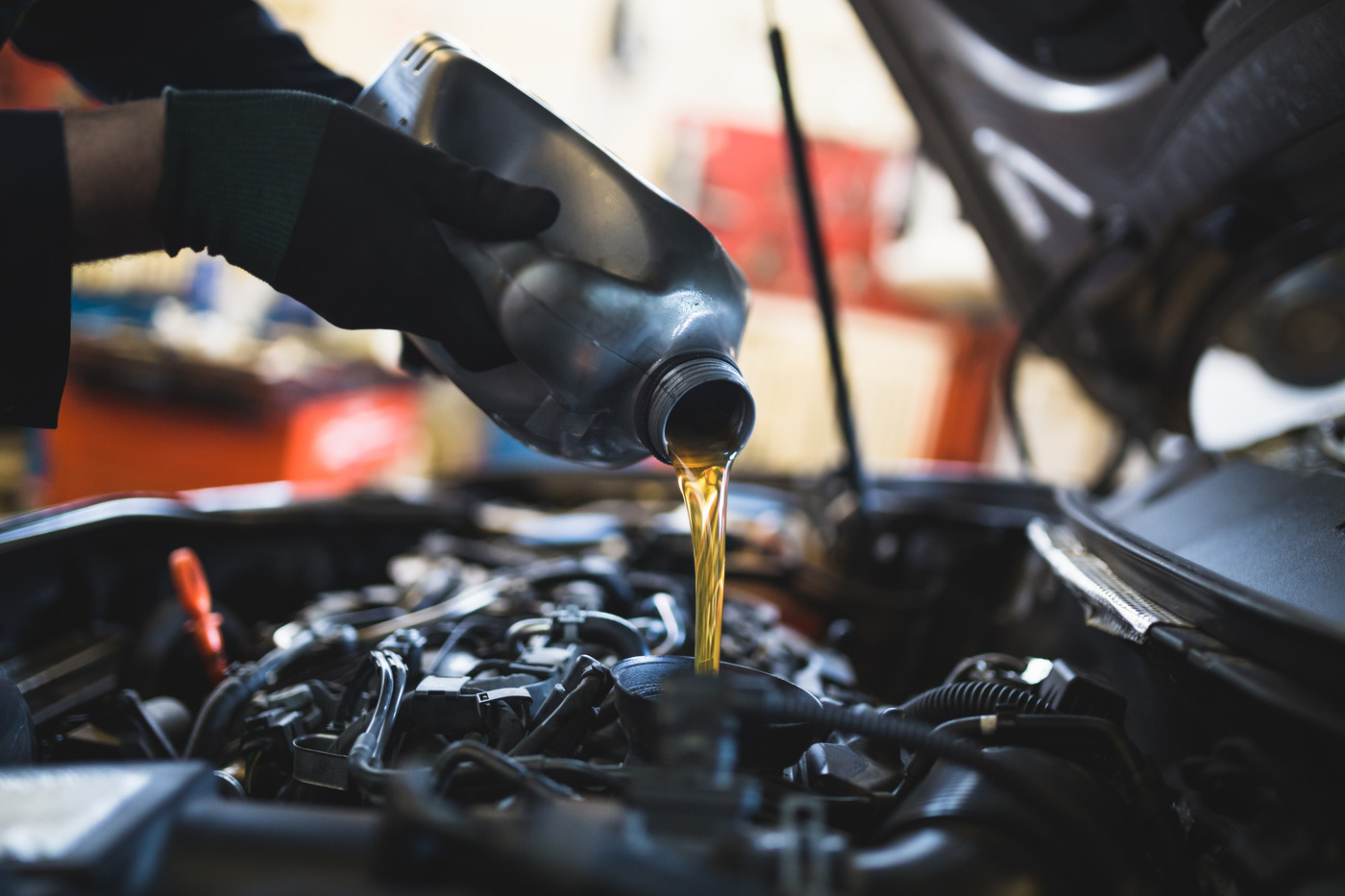
Changing the oil in your Nissan isn’t just a routine maintenance task—it’s a key part of keeping your engine running smoothly for the long haul. Whether you're driving a rugged Frontier, a city-smart Kicks, or the sleek ARIYA, regular oil changes are crucial for optimal performance. In this step-by-step guide, we’ll walk you through the process of changing the oil in your Nissan, from gathering the right tools to properly disposing of old oil. Ready to get started? If you’d rather leave it to the experts, stop by Nissan of Mission Hills, serving Sylmar and Granada Hills, and don't hesitate to ask us for assistance. Contact us today to schedule an oil change and keep your vehicle in top shape! Here are the basic steps to changing the oil on your Nissan: Step 1: Draining the Old Oil – Getting the Flow Started Step 2: Replacing the Oil Filter – Don’t Skip This Crucial Step Step 3: Adding Fresh Oil – The Key to Keeping Your Engine Smooth Step 4: Checking for Leaks and Ensuring Proper Oil Levels Step 5: Proper Disposal of Used Oil – Protecting the Environment
Preparing for the Oil Change: What You’ll Need Before You Begin
Before you start changing the oil in your Nissan, it’s important to gather the necessary tools and supplies. Whether you’re working on a tough Frontier, a compact Kicks, or a high-tech ARIYA, you’ll need the right equipment to get the job done right. Having everything ready will make the process smoother and faster, so you don’t waste time running around looking for tools. Start with the basics. You’ll need a funnel to avoid spills when adding new oil. A drain pan is essential for catching the old oil when you remove the drain plug. You’ll also need a socket wrench to loosen the drain plug and remove the oil filter. Don’t forget rubber gloves to keep your hands clean and safe from the hot oil. A clean rag will help you wipe away any excess oil or residue along the way. Also, make sure to have a jack or ramps to lift the vehicle, allowing easy access to the undercarriage. These tools will make your Nissan oil change much easier. Next, it’s time to gather the oil itself. For a proper Nissan oil change, it’s recommended to use synthetic oil for Nissan vehicles. Synthetic oil is designed to last longer and provide better engine protection, especially for newer models like the ARIYA. Check your vehicle’s manual for the exact type and amount of oil your Nissan needs. For most models, such as the Frontier and Kicks, four quarts of fresh oil should do the trick. If you’re not sure, your owner’s manual will guide you on the Nissan oil change frequency, helping you stay on track with regular maintenance. Now that you’ve got all your tools and supplies ready, you’re prepared to get started. Changing the oil is a great way to save money on maintenance and keep your Nissan running at its best. But if you’re not sure about the process or prefer to leave it to the experts, visit Nissan of Mission Hills, also serving Sylmar and Granada Hills, and we'll assist you. Whether you drive a Frontier, Kicks, or ARIYA, we’ve got you covered for quick, professional oil changes. Just contact us to schedule your service today!
Step 1: Draining the Old Oil – Getting the Flow Started
Now that you’ve gathered all your tools and supplies, it’s time to start draining the old oil from your Nissan. Whether you’re working on a rugged Frontier, a sleek ARIYA, or a compact Kicks, this step is crucial. Draining the old oil helps ensure your engine runs smoothly and is ready for fresh, synthetic oil for Nissan vehicles. If you haven’t changed your oil in a while, it’s a great opportunity to take care of this important task. First, lift your Nissan with a jack or ramps. This gives you easy access to the oil pan, where the oil will drain. For most vehicles, like the Frontier, you’ll find the oil drain plug under the car. Make sure your drain pan is placed directly underneath it. The next step is to locate the oil cap under the hood. Unscrew the cap to allow air in. This helps the oil flow out more easily and prevents a vacuum from forming inside the engine. Once the oil cap is off, grab your socket wrench. Using the wrench, loosen and remove the oil drain plug. Be careful, as the oil might be hot, so it's best to wear gloves for protection. Once the plug is removed, the oil will begin draining into the pan. Let the oil drain completely. It may take several minutes for the oil to fully empty. As the oil drains, check the color and texture of the fluid. Fresh oil is usually a golden amber color, while old oil is darker. This is a good indicator that it’s time for a Nissan oil change. While the oil is draining, take a moment to clean around the drain plug opening with a rag. This ensures no old oil residue remains when you screw the plug back in. Once the flow slows down, and no more oil is dripping, replace the drain plug and tighten it with the socket wrench. Your oil change frequency may vary depending on your model, so be sure to check your owner’s manual for guidance on how often to change your oil. For the Frontier, Kicks, or ARIYA, synthetic oil typically lasts longer than conventional oil, making it an excellent choice for Nissan owners who want to extend the time between oil changes. With the old oil drained and the drain plug securely in place, you’re ready for the next step: replacing the oil filter.
Step 2: Replacing the Oil Filter – Don’t Skip This Crucial Step
Replacing the oil filter is an essential part of your Nissan oil change. Whether you drive a tough Frontier, a sleek ARIYA, or a city-friendly Kicks, this step ensures your engine stays clean and runs smoothly. The oil filter traps dirt and debris, preventing it from entering the engine and causing damage. If you don’t replace it, you risk clogging the new oil with contaminants, making it less effective. To begin, you’ll need to locate the oil filter. For most Nissans, like the Frontier, the filter is usually under the engine, close to the oil pan. Place your drain pan underneath the oil filter to catch any residual oil that might spill. You can try to remove the filter by hand, but sometimes it’s too tight. If that happens, grab an oil filter wrench or use pliers to get a good grip and loosen it. Be careful—when the filter comes off, some oil might spill out, so keep your drain pan in place. Once the old oil filter is removed, take a clean finger and dip it in the fresh synthetic oil for Nissan. Rub the oil around the rubber seal on the new filter. This helps create a better seal and makes it easier to remove the filter next time. Screw the new filter in place, making sure it’s snug, but don’t over-tighten it. Over-tightening can damage the seal, which could cause leaks. You can check the owner’s manual for specific guidance on your Nissan’s oil filter, especially for models like the Kicks or ARIYA. Replacing the oil filter is an important part of maintaining the right Nissan oil change frequency. While synthetic oil for Nissan models can last longer than conventional oil, changing the filter regularly is crucial for keeping your engine in top shape. Make sure to change the filter every time you perform an oil change, no matter which Nissan you own. For the Frontier, Kicks, and ARIYA, a new oil filter ensures the oil stays clean and the engine stays healthy. After the filter is in place, you’re ready to move on to the next step: adding fresh oil.
Step 3: Adding Fresh Oil – The Key to Keeping Your Engine Smooth
Now that the old oil is drained and the filter is replaced, it’s time to add the fresh oil. This is the step that keeps your Nissan running smoothly. Whether you drive a Frontier, Kicks, or ARIYA, using the right oil is essential for engine health. For most Nissans, synthetic oil is the best choice. It helps your engine perform at its best, reduces wear, and keeps the engine clean. Using high-quality synthetic oil for Nissan vehicles also allows you to extend the time between oil changes, giving you better value. Before you start, make sure you have the right oil. Check your Nissan’s owner’s manual to see which oil is recommended for your model. The Frontier, Kicks, and ARIYA may require different oil viscosities, so it’s important to get it right. For many Nissans, 5W-30 synthetic oil is a common recommendation, but be sure to check your specific model. Once you know the oil you need, grab a funnel to prevent spills and carefully pour the oil into the engine. The next part is simple but important. Slowly pour the oil into the opening. Watch carefully as the oil flows in, making sure not to overfill. Most Nissans, including the Kicks and ARIYA, take around 4 to 5 quarts of oil, but check your manual for the exact amount. After you’ve added the oil, replace the oil cap and wipe up any spills. It’s important to ensure the cap is securely tightened to avoid any leaks. After the oil is in, it’s time to check the oil level. Start your engine and let it run for a minute. This lets the new oil circulate through the engine. Turn off the engine and wait for a few minutes to let the oil settle. Then, check the oil level with the dipstick. Add more oil if necessary, but don’t overfill. Keeping the right oil level is key to maintaining the Nissan oil change frequency recommended for your vehicle. For the Frontier, Kicks, and ARIYA, regular oil changes using synthetic oil will help your engine stay in peak condition. Now that the fresh oil is in, you’re ready for the final step: cleaning up and disposing of the old oil.
Step 4: Checking for Leaks and Ensuring Proper Oil Levels
Once you’ve added fresh oil to your Nissan, it’s time to check for leaks and ensure the oil levels are just right. This step is crucial to prevent any damage to your engine. After changing the oil in your Frontier, Kicks, or ARIYA, you want to make sure everything is secure and functioning properly. A quick inspection can save you time and money in the long run. Start by starting your Nissan’s engine. Let it run for about a minute. This will allow the oil to circulate through the engine and reach all the parts it needs to lubricate. Once the engine is running smoothly, turn it off and let it sit for a few minutes. During this time, the oil will settle, giving you an accurate reading on the dipstick. Make sure to check the oil level once the oil has had time to settle. Use the dipstick to check the oil level. Insert it back into the tube and pull it out carefully. Wipe the dipstick clean with a rag, then dip it back into the tube. Pull it out again and check the level. If the oil level is too low, add more oil until it reaches the recommended level. If you’ve overfilled it, you’ll need to drain some oil to get it back to the right amount. Most Nissan vehicles, like the Frontier, Kicks, and ARIYA, require different amounts of oil, so be sure to check your manual for the correct amount. While checking the oil level, it’s important to look for any signs of leaks. Carefully examine the area around the oil filter and drain plug. Look under your car to check if there are any signs of fresh oil pooling on the ground. If you notice any leaks, tighten the oil filter or drain plug further. If the leak continues, you may need to replace the oil filter or consult with a technician. Lastly, always remember that following the Nissan oil change frequency is essential to maintaining the health of your engine. Regular oil changes using synthetic oil for Nissan vehicles will help extend the life of your engine and keep it running smoothly. Whether you drive a Frontier, Kicks, or ARIYA, checking for leaks and maintaining the proper oil levels ensures your vehicle runs like new.
Step 5: Proper Disposal of Used Oil – Protecting the Environment
After completing your Nissan oil change, one important step remains: disposing of the used oil properly. Disposing of used engine oil isn’t just about cleaning up. It’s crucial for the health of the environment. Improper disposal can cause significant harm, including water and soil contamination. Whether you drive a Nissan Frontier, Kicks, or ARIYA, following proper disposal methods ensures your oil change process is complete and eco-friendly. Start by storing the used oil in a secure container. Never dispose of old oil by dumping it down a drain, toilet, or trash bin. This is harmful and illegal in many places. Most auto parts stores or service stations offer free oil recycling. They’ll accept used oil and dispose of it responsibly. So, after your oil change, pour the old oil into a sealable container, like an empty milk jug or an oil collection container. Make sure the container is tightly sealed to avoid spills. It’s also important to note that you should never mix the used oil with other substances like antifreeze or brake fluid. Mixing contaminants makes the recycling process harder and less effective. When you dispose of used oil, ensure it is pure and uncontaminated. Whether you’re using synthetic oil for Nissan models like the Frontier, Kicks, or ARIYA, the proper disposal of used oil ensures that it can be recycled efficiently. Regularly following the recommended Nissan oil change frequency will not only help keep your engine in top shape, but it will also protect the environment. By recycling used oil, you contribute to keeping our ecosystems clean. So, when it’s time for your next oil change, remember to dispose of the used oil correctly. This is a small action that goes a long way in protecting both your Nissan and the planet.
How Often Should You Change the Oil in Your Nissan?
Knowing how often to change the oil in your Nissan is essential for maintaining your vehicle's performance. Regular oil changes help keep your engine running smoothly and efficiently. For most drivers, it’s recommended to follow the Nissan oil change frequency outlined in your vehicle’s owner manual. The typical range for a Nissan oil change is every 3,000 to 7,500 miles, depending on the type of oil used and driving conditions. If you’re using synthetic oil for Nissan models like the Frontier, Kicks, or ARIYA, the oil change interval may be longer. Synthetic oil lasts longer than conventional oil and provides better protection for your engine. In these cases, your Nissan may only need an oil change every 5,000 to 7,500 miles. However, factors like driving in hot climates, heavy traffic, or towing can cause more wear on your engine, making more frequent oil changes necessary. To keep your Nissan in top condition, make oil changes a regular part of your car care routine. Regular oil changes are especially important for newer models like the Nissan Frontier, Kicks, and ARIYA, which use advanced engines that benefit from fresh oil. Not changing the oil as needed can lead to engine wear, decreased performance, and costly repairs. By sticking to the recommended Nissan oil change frequency, you ensure your car remains reliable and runs smoothly for years to come.
How often should you change the oil in your Nissan?
For most Nissans, you should change the oil every 5,000 to 7,500 miles, depending on the type of oil used and driving conditions.
How often should you change the oil in your 2025 Nissan Rogue?
The 2025 Nissan Rogue typically requires an oil change every 5,000 to 7,500 miles if using synthetic oil.
How often should you change the oil in your 2025 Nissan Kicks?
The 2025 Nissan Kicks should have its oil changed every 5,000 to 7,500 miles with synthetic oil.
How often should you change the oil in your 2025 Nissan Pathfinder?
For the 2025 Nissan Pathfinder, an oil change is recommended every 5,000 to 7,500 miles when using synthetic oil.
How often should you change the oil in your 2025 Nissan ARIYA?
The 2025 Nissan ARIYA, like other Nissan vehicles using synthetic oil, should have its oil changed every 5,000 to 7,500 miles.
How often should you change the oil in your 2025 Nissan Murano?
The 2025 Nissan Murano requires an oil change every 5,000 to 7,500 miles if using synthetic oil.
How often should you change the oil in your 2025 Nissan Armada?
The 2025 Nissan Armada should have its oil changed every 5,000 to 7,500 miles with synthetic oil.
How often should you change the oil in your 2025 Nissan Altima?
The 2025 Nissan Altima should have its oil changed every 5,000 to 7,500 miles if using synthetic oil.
How often should you change the oil in your 2025 Nissan Sentra?
For the 2025 Nissan Sentra, an oil change is needed every 5,000 to 7,500 miles with synthetic oil.
How often should you change the oil in your 2025 Nissan Versa?
The 2025 Nissan Versa requires an oil change every 5,000 to 7,500 miles with synthetic oil.
How often should you change the oil in your 2025 Nissan LEAF?
As the Nissan LEAF is an electric vehicle, it does not require regular oil changes.
How often should you change the oil in your 2025 Nissan Frontier?
For the 2025 Nissan Frontier, oil should be changed every 5,000 to 7,500 miles when using synthetic oil.
How often should you change the oil in your 2025 Nissan TITAN?
The 2025 Nissan TITAN requires an oil change every 5,000 to 7,500 miles with synthetic oil.
How often should you change the oil in your 2025 Nissan Z?
The 2025 Nissan Z should have its oil changed every 5,000 to 7,500 miles when using synthetic oil.
Get Your Nissan's oil Changed at Nissan of Mission Hills
Taking care of your Nissan with regular oil changes helps keep your engine running smoothly. If you have any questions about changing your oil, or need assistance with maintenance, the team at Nissan of Mission Hills is here to help. Whether you're in Mission Hills, Sylmar, or Granada Hills, we invite you to explore our wide selection of vehicles, including the rugged Frontier, the stylish Kicks, or the innovative ARIYA. Feel free to reach out to us for any oil change-related inquiries or visit our oil change page for more detailed information. Don't forget to check out some of our other popular content like Discover the All-New 2024 Nissan Sentra at Nissan of Mission Hills or Explore the Top 10 Restaurants in Culver City to keep your journey going. Plus, if you're looking for scenic drives, take a look at 7 Scenic Drives Just Minutes from Mission Hills, CA for inspiration on your next adventure. Visit us at Nissan of Mission Hills, your trusted dealership near Sylmar and Granada Hills, or reach out to us and we'll help you with your vehicle's maintenance and providing you with the best car-buying experience!
Get Directions to Nissan of Mission Hills
Disclaimer: All information is provided for general informational and entertainment purposes only. While we strive for accuracy, we cannot guarantee that all content is complete, current, or error-free. Any reliance you place on such information is strictly at your own risk. This article may include opinions and is not endorsed by, or officially affiliated with, any vehicle manufacturer or brand. Always consult official sources – such as the vehicle’s owner’s manual, authorized dealerships, or certified professionals – for the most up-to-date and personalized information.