Changing your own oil is one of the simplest ways to keep your car running smoothly, but before you can get started, you need to lift your vehicle safely. Jacking up your car is more than just a step in the process—it’s the foundation of a successful and safe oil change. Whether you’re working on a Nissan Frontier, Murano, Rogue, or Kicks, knowing the right way to raise your vehicle can prevent accidents, protect your car’s undercarriage, and make the entire process easier.
In this guide, we’ll break down everything you need to know about safely lifting your car for an oil change in 2025, from choosing the right equipment to securing your vehicle on jack stands. We’ll also highlight common mistakes to avoid and safety tips to keep you protected while working underneath your car.
If you’re unsure about lifting your vehicle or simply prefer expert service, Nissan of Mission Hills is here to help. Our team provides professional oil changes, maintenance, and vehicle inspections to keep your car in peak condition. Visit us today or give us a call to schedule an appointment!
What Tools Do You Need to Safely Do an Oil Change?
Before you begin an oil change, having the right tools is key. Using the correct equipment keeps you safe and makes the process smoother. Whether you're working on a Nissan Frontier or another vehicle, gathering these items before you start will help you jack up your car for an oil change the right way.
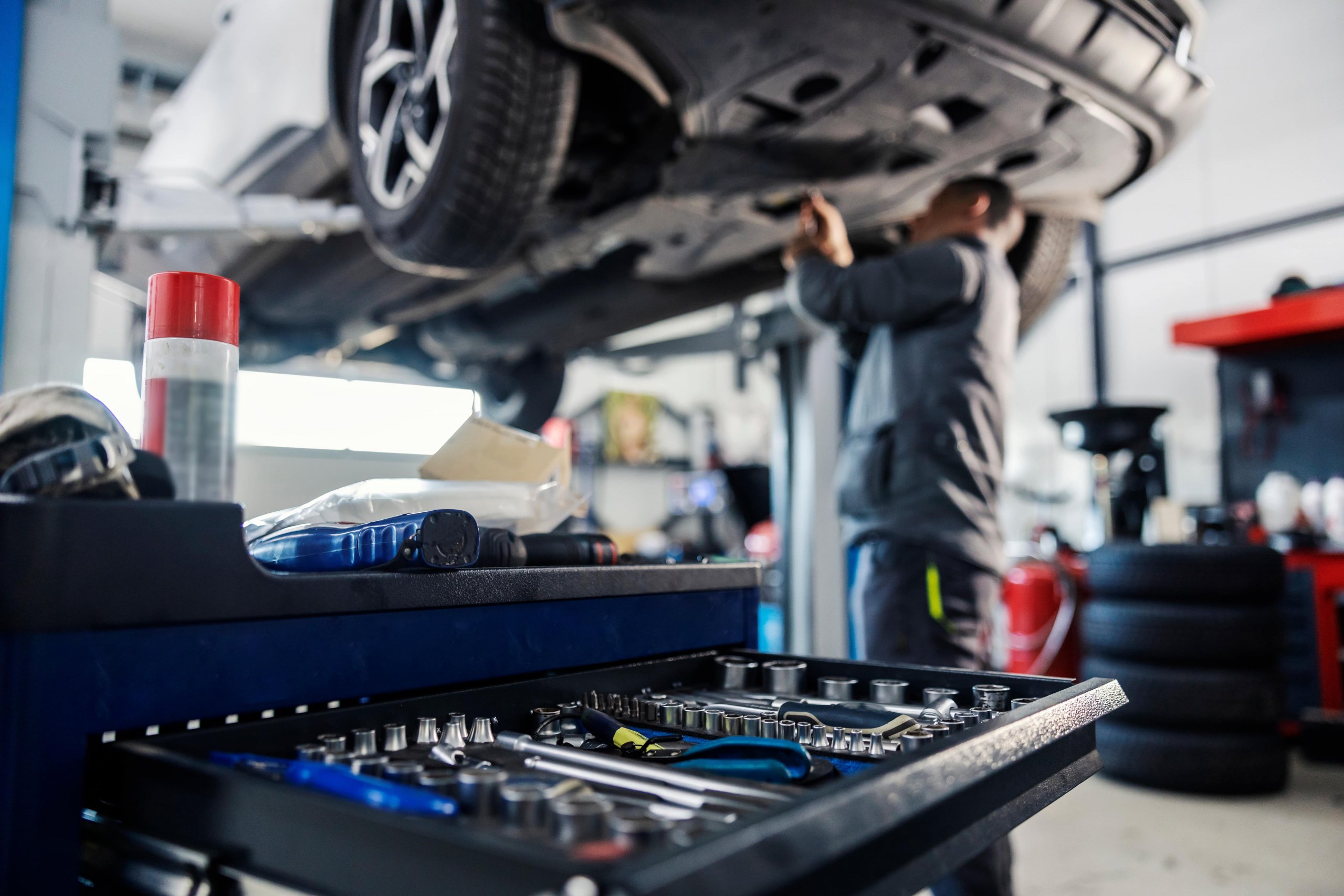
Must-Have Tools for a Safe Oil Change
Every oil change starts with the right gear. Be sure to have:
- A sturdy jack – Either a hydraulic floor jack or a scissor jack
- Jack stands – At least two to keep the car stable
- Wheel chocks – Prevents rolling while the car is lifted
- Oil drain pan – Catches the used oil
- Socket wrench set – Helps remove the drain plug
- Oil filter wrench – Loosens the old oil filter
- Work gloves and safety glasses – Protects your hands and eyes from debris
- Owner’s manual – Shows the best lifting points for your vehicle
Choosing the Right Jack
Picking the right jack depends on your needs.
| Jack Type | Best For | Pros | Cons |
| Jack | Frequent maintenance, heavier vehicles | Stable, easy to use | Takes up more space |
| Scissor Jack | Quick tire changes, lighter vehicles | Compact, easy to store | Slower to operate |
A hydraulic floor jack is ideal for those who change their oil often. It provides better stability and lifts the car with less effort. A scissor jack is useful for quick jobs but takes more time to raise a vehicle.
The Role of Jack Stands in Stability
A jack lifts your car, but it does not hold it safely. Jack stands are essential to keep the vehicle stable. Once your car is lifted, place the stands under the correct jack points before working underneath. Never rely on a jack alone.
Additional Safety Equipment
Safety should always come first. Before you get under the car, use:
- Wheel chocks to keep the car from rolling
- Gloves to protect your hands from sharp edges and hot parts
- Safety glasses to shield your eyes from dirt and oil splashes
Checking Weight Ratings
Each jack and jack stand has a weight rating. Check that your equipment can support your vehicle’s weight before lifting it. If you're working on a Nissan Frontier, ensure your jack is rated for at least 4,500 lbs. Smaller vehicles like the Kicks may require less.
Taking the time to gather the right tools makes the job easier and much safer. Next, we’ll walk through the exact steps to lift your car properly.
How to Properly Jack Up Your Car for an Oil Change
Lifting your car correctly is vital for a safe oil change. By following these steps from our 2025 car jacking guide, you can ensure your vehicle is secure and ready for maintenance. Whether you're working on a Nissan Murano, Rogue, or any other model, these steps are essential.
Step 1: Finding the Right Surface for Jacking Up Your Car
Before you begin lifting your vehicle, it’s crucial to find the right surface. This ensures stability and reduces the risk of accidents.
- Why a Level, Solid Surface is Crucial
Always lift your car on flat, level ground. A solid surface like concrete or a well-paved driveway is the safest choice. - Dangers of Jacking Up on Grass, Gravel, or Uneven Pavement
Avoid surfaces like grass or gravel. These can shift under the weight of your car, causing instability. - Safe Alternatives
If you don’t have access to a garage or driveway, park your vehicle on a flat parking lot or other hard surfaces to maintain stability.
Step 2: Setting Up Your Vehicle for Maximum Stability
Once you’ve found the right surface, it’s time to prepare your car for lifting. This involves steps to ensure it won’t roll or shift while you work.
- Engage the Parking Brake
Always set the parking brake before lifting the car. This prevents the vehicle from rolling, especially if you’re lifting only one end. - Proper Placement of Wheel Chocks
For front-wheel drive vehicles (like the Nissan Rogue), place wheel chocks behind the rear wheels. For rear-wheel drive vehicles, place them in front of the front wheels. - Using the Owner’s Manual to Locate Jack Points
Refer to your car’s owner’s manual to identify the correct jack points. These are reinforced areas designed to handle the weight of the car.
Step 3: Raising the Car: A Step-by-Step Breakdown
Now that your car is stable, it’s time to start lifting. Follow these steps carefully to ensure the process goes smoothly.
- Positioning the Jack Under the Correct Jacking Points
Place the jack under the designated lifting points shown in your owner’s manual. Avoid using other parts of the car, as they may not be strong enough. - Safely Lifting Your Car with a Hydraulic Floor Jack
If using a hydraulic floor jack, slowly pump the handle to lift your car. Lift the car just high enough to access the oil drain plug, but not too high to risk instability. - Raising Just the Front or Back vs. Lifting All Four Wheels
If you’re changing the oil on just one end of the vehicle, you only need to lift either the front or rear. However, if you need to work on all sides, you can lift all four wheels at once.
Step 4: Securing the Vehicle with Jack Stands
Once the car is lifted, it’s essential to use jack stands to support it while you work underneath.
- Why Jack Stands Are Non-Negotiable for Safety
Never work under a car that’s supported only by a jack. Use jack stands to ensure maximum safety while you're under the vehicle. - How to Place Jack Stands at the Correct Support Points
Place the jack stands under the designated support points, which are typically near the vehicle’s frame. Make sure the stands are placed on a level surface. - Lowering the Vehicle onto the Stands
Slowly lower the jack to allow the car to rest securely on the stands. Double-check the placement of the stands before proceeding.
Step 5: Ensuring Stability Before Working Under the Car
Once the car is lifted and secured, confirm that it’s stable before getting under it.
- The "Shake Test" to Confirm a Secure Lift
Gently shake the car to make sure it’s stable. If it moves or feels unsteady, adjust the jack stands and recheck the lift. - Common Warning Signs the Car Isn’t Properly Supported
Watch for signs of instability, such as a slight shift in the car’s position or uneven weight distribution. If anything feels off, take a step back and reassess the situation before proceeding.
Following these steps ensures a safe and effective oil change. With your car properly lifted and secured, you’re ready to get to work.
Tips for Jacking Up Nissan Models
When performing an oil change, jacking up your car can be different depending on the vehicle you drive. Nissan offers a wide range of models, each with unique features that affect how you lift them. Here’s what to consider for each:
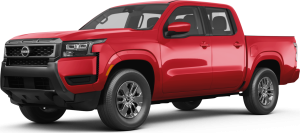
Nissan Frontier: Best Practices for Lifting a Truck with Higher Ground Clearance
The Nissan Frontier has a higher ground clearance compared to other vehicles, which can affect how you lift it.
- Use a hydraulic floor jack to ensure the truck lifts safely and steadily.
- Always position the jack under the designated jacking points. These are typically found near the frame.
- Check the ground clearance before using your jack to ensure it fits easily under the truck.
- If you’re lifting both the front and back, make sure you are lifting the truck evenly to maintain balance.
Nissan Murano: Where to Find the Safest Jacking Points on an SUV
The Nissan Murano is an SUV with a lower profile than a truck but higher than a sedan. Proper lifting techniques for an SUV are crucial.
- Locate the jacking points as specified in your owner's manual. These are reinforced areas designed to bear the weight of the car.
- Hydraulic floor jacks are often best for SUVs because they can handle the vehicle's weight while keeping it steady.
- Keep in mind the wheelbase of the Murano when deciding where to place your jack stands for added stability.
Nissan Rogue: Tips for Safely Lifting a Crossover for an Oil Change
The Nissan Rogue is a popular crossover that requires careful handling when lifted.
- As with all vehicles, always find and use the designated jacking points under the body, which are often near the vehicle’s frame.
- When lifting the Rogue, always make sure to secure the vehicle with jack stands as soon as it’s lifted.
- Keep in mind that the Rogue's weight distribution may vary, so be sure to raise the car evenly for stability.
Nissan Kicks: Lifting a Compact SUV with a Lower Profile
The Nissan Kicks is a compact SUV with a lower profile than most of Nissan's larger models. Lifting it safely requires some adjustments.
- Scissor jacks work well for compact vehicles like the Kicks. However, hydraulic jacks are still recommended for ease and stability.
- Since the Kicks sits lower to the ground, you may need to use a jack with a lower lifting height to get it in position.
- Always ensure the jack is under the correct jacking points and raise it slowly to avoid any damage.
Each model, whether it’s a Frontier, Murano, Rogue, or Kicks, has unique characteristics to keep in mind when performing an oil change. Ensure you’re following the proper lifting techniques to make the process as smooth and safe as possible.
How do I safely jack up my car for an oil change in 2025?
To safely jack up your car for an oil change, follow these steps:
- Choose a stable, level surface to work on. Avoid uneven ground like gravel or grass.
- Engage the parking brake and place wheel chocks behind the rear wheels if lifting the front or in front of the front wheels if lifting the back.
- Locate the proper jacking points for your vehicle, usually near the vehicle’s frame or axle.
- Position the jack under the correct point and lift the car slowly.
- Use jack stands once the vehicle is lifted to prevent it from falling.
- Perform a shake test to ensure the car is stable before working underneath.
Are there different jack points for various vehicle models?
Yes, different vehicle models have specific designated jacking points that should be followed. These are usually located in your owner’s manual. For example, larger vehicles like trucks may have jacking points closer to the frame, while smaller vehicles or SUVs might have points under the vehicle's body.
What precautions should I take to avoid accidents while lifting the car?
To avoid accidents while lifting your car:
- Always use a hydraulic jack or a reliable scissor jack, depending on the vehicle.
- Ensure the jack stands are positioned correctly and are rated for your vehicle’s weight.
- Check the condition of your lifting equipment for wear and tear before use.
- Never work under a car supported only by a jack. Always use jack stands for added safety.
- Wear safety gear like gloves and safety glasses to protect yourself from debris and accidents.
Not Ready for a DIY Oil Change? Visit Nissan of Mission Hills Today
At Nissan of Mission Hills, we understand that taking care of your car is essential to keeping it running efficiently. Whether you're in Granada Hills, Sylmar, or Pacoima, we’re here to assist with all your car maintenance needs. After learning how to safely jack up your vehicle for an oil change, it's important to ensure everything is secure before you hit the road again. Don’t forget to dispose of used oil properly — we can point you to local disposal centers in your area.
For more tips on car maintenance, be sure to check out our articles on what happens if you skip oil changes, why oil changes are crucial, and whether Nissan EVs need oil changes. These resources will provide additional insights into keeping your car in top shape.
In addition to helpful advice, we also invite you to explore our wide selection of vehicles, including the Nissan Frontier, Murano, Rogue, and Kicks. Our friendly team is here to guide you through every step of your car ownership journey, from finding the perfect vehicle to understanding essential maintenance. Visit or contact us at Nissan of Mission Hills today!
Get Directions to Nissan of Mission Hills
Disclaimer: All information is provided for general informational and entertainment purposes only. While we strive for accuracy, we cannot guarantee that all content is complete, current, or error-free. Any reliance you place on such information is strictly at your own risk. This article may include opinions and is not endorsed by, or officially affiliated with, any vehicle manufacturer or brand. Always consult official sources – such as the vehicle’s owner’s manual, authorized dealerships, or certified professionals – for the most up-to-date and personalized information.