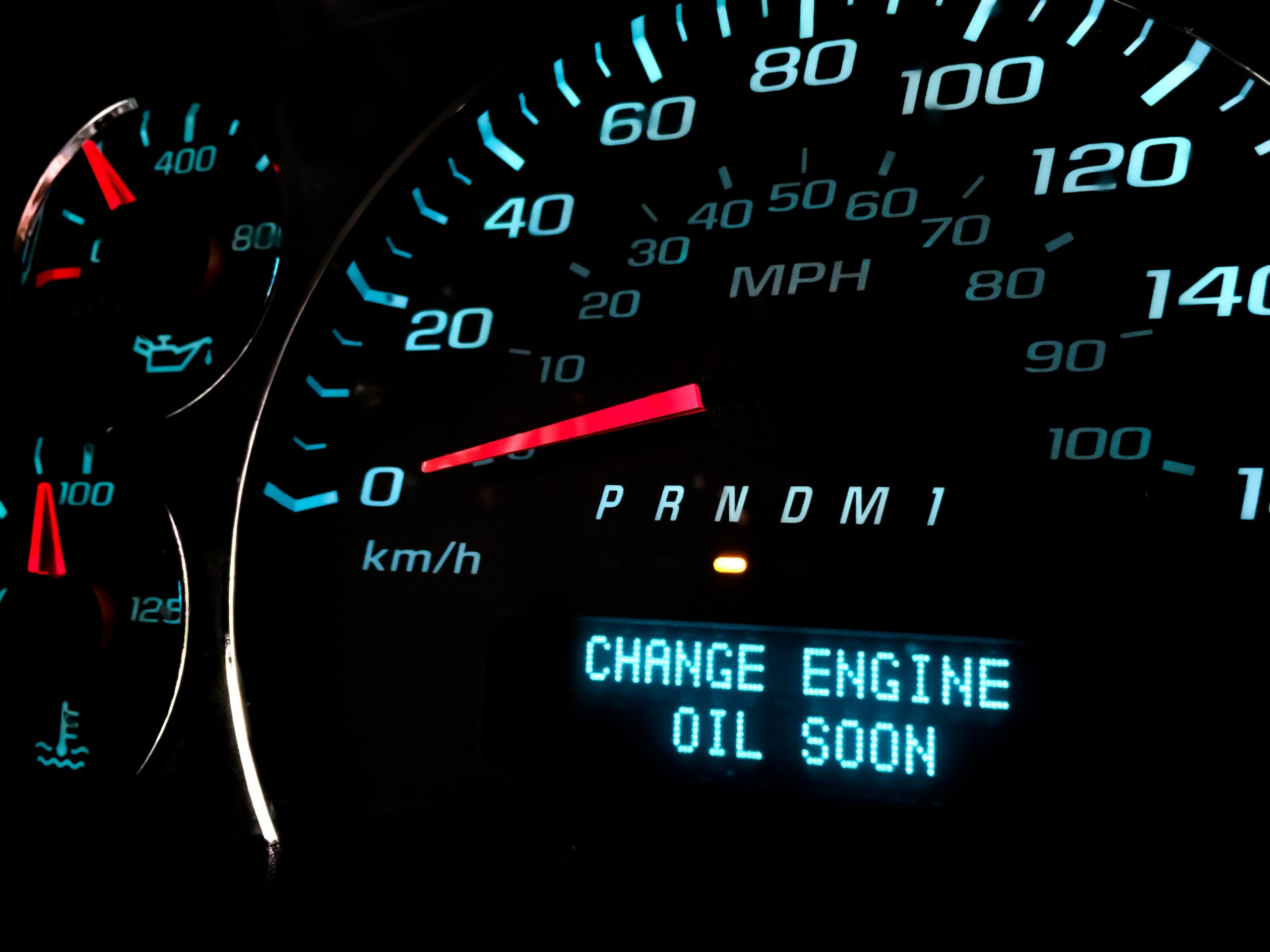
Off-roading is an exhilarating way to push your vehicle to its limits, but that adventure comes with a price. The rough terrain, constant bumps, and exposure to dirt and debris put extra strain on your engine, causing the oil to degrade faster and potentially leading to engine damage. Whether you're tackling steep hills, muddy trails, or rocky paths, off-roading demands more from your vehicle than regular driving does. The harsh conditions can lead to oil contamination and increased engine temperatures, which can wear down your vehicle over time if not properly maintained.
That’s where proper maintenance, especially oil changes, becomes crucial. If you’re behind the wheel of a Nissan Frontier, Murano, or Rogue, you’ve got a vehicle built to handle these tough conditions. But even the most rugged off-roading vehicles need care to keep performing at their peak. So, do you need more frequent oil changes for off-roading? The answer is yes. Keep reading to learn why it's so important, and how the right maintenance can protect your engine. Ready for an oil change or need more advice on keeping your vehicle trail-ready? Contact Nissan of Mission Hills or stop by today for expert service.
How Off-Roading Affects Your Car's Engine Oil
When you take your vehicle off the paved roads, the engine faces challenges that it wouldn't normally experience. Off-roading exposes your vehicle to dirt, dust, rocks, and mud, all of which can contaminate the oil inside your engine. These contaminants cause the oil to break down faster, reducing its ability to lubricate and protect your engine’s parts. The more debris that enters the oil, the harder it is for the oil to do its job.
Off-road driving also leads to higher engine temperatures, which can further degrade the oil. As the engine works harder on rough terrain, it generates more heat. This extra heat speeds up the process of oil breakdown, making it less effective at preventing friction and wear.
Here’s how off-roading contaminants and higher temperatures affect your engine oil:
- Dirt, dust, and debris can mix with the oil, creating sludge and reducing its effectiveness.
- Higher engine temperatures cause the oil to thin, losing its ability to protect the engine parts.
- Frequent stops and starts in off-roading environments can cause oil to move through the engine in ways it doesn't during regular driving, leading to more wear.
That’s why vehicles like the Nissan Frontier, designed for off-roading, need more frequent oil changes than those used for daily commutes. Regular oil changes help prevent contamination buildup and ensure that the oil is always ready to protect your engine. Keep in mind that when you hit the trails, your vehicle's oil is under more stress than when you're driving on smooth roads. Frequent oil changes are the key to keeping your off-roading adventures safe and your engine running strong.
Are Oil Changes Important if You Go Off Roading?
When you take your vehicle off-road, it faces more stress than when driving on smooth roads. That stress can wear down engine parts faster, which is why regular oil changes are so important. Engine oil keeps everything running smoothly by reducing friction and preventing damage. Without fresh oil, the engine is at risk of overheating, damaging key parts, and losing power.
For off-roading vehicles like the Nissan Murano, regular oil changes are crucial. Off-road maintenance requires more frequent care than normal driving. Dirt, heat, and strain can cause oil to lose its effectiveness faster. This is why you can’t follow the same oil change schedule as you would for everyday driving.
Here’s why regular oil changes matter for off-road vehicles:
- Prevent engine wear: Fresh oil protects the engine from friction, which helps avoid damage and ensures the engine lasts longer.
- Maintain performance: Oil helps your engine run smoothly, which improves power and efficiency on tough trails.
- Keep engine cool: Oil helps regulate engine temperature, reducing the risk of overheating during off-road adventures.
If you're frequently off-roading, it's a good idea to shorten the time between oil changes. Standard vehicles may only need an oil change every 5,000 to 7,500 miles, but off-roading vehicles might need it sooner. For vehicles like the Nissan Frontier, Kicks, or Rogue, frequent oil changes are key to keeping them performing their best. Always consult your vehicle’s manual for the best schedule, but don't hesitate to change your oil sooner if you're hitting the trails regularly. Keeping up with oil changes is one of the simplest and most effective ways to protect your off-road vehicle from costly repairs.
How Often should You Change Your Oil for Off-Roading?
When it comes to off-roading, your vehicle's oil change schedule should be adjusted to match the extra stress it experiences. Vehicles like the Nissan Rogue are built for tough conditions, but off-road driving accelerates oil degradation. To ensure your engine stays protected, you need to determine the right oil change interval based on your driving habits and conditions.
Start by consulting your vehicle's manual. It will provide the standard oil change intervals for normal driving. However, off-roading puts more strain on your engine, meaning you might need to change your oil more often.
Here’s how to adjust your oil change schedule for off-roading:
- Check the manual: Look for the recommended intervals for normal driving, but expect to change oil sooner for off-roading.
- Consider the frequency of off-roading: The more often you off-road, the more frequently you should change your oil.
- Factor in the terrain: Tougher terrains like mud, sand, or rocky paths can speed up oil contamination.
For those living in areas like Granada Hills, Sylmar, or Pacoima, where off-roading is popular, it’s a good idea to follow a more aggressive oil change schedule. Instead of waiting 5,000 to 7,500 miles, you might want to change your oil every 3,000 to 4,000 miles if you frequently tackle rough trails. This ensures your engine oil stays fresh and capable of handling the harsh conditions.
If you're unsure, don’t hesitate to ask for guidance at Nissan of Mission Hills. They can help determine the right interval for your off-roading vehicle oil needs.
Other Fluids to Monitor for Off-Roading Maintenance
Keeping up with oil changes is just one part of maintaining a vehicle for off-road driving. Your engine isn't the only system under stress when you tackle rough terrain. Other fluids play a major role in keeping your vehicle performing at its best. If these fluids run low or become contaminated, parts can wear out faster, leading to costly repairs.
Here are the key fluids you should check before and after off-roading:
- Transmission fluid – Helps gears shift smoothly and prevents overheating. Off-road driving can cause this fluid to break down faster.
- Brake fluid – Ensures strong braking power, especially on steep or rocky trails. Dirt and moisture can reduce its effectiveness.
- Differential fluid – Lubricates the gears that power your wheels. Deep water, mud, and dust can lead to faster wear.
- Coolant – Keeps your engine from overheating, which is a common issue when driving on tough trails.
Off-roading pushes your vehicle to its limits. If you frequently take your Nissan Kicks or another vehicle off-road, checking these fluids regularly is just as important as an oil change. Off-roading trips can lead to leaks, overheating, and contamination, so always inspect fluid levels before and after each adventure. Taking the time to maintain these fluids will keep your vehicle running safely and smoothly on any terrain.
Do frequent off-road trips require more frequent oil changes?
Yes, off-road driving exposes your engine to dirt, dust, and extreme heat, which cause oil to break down faster. Most off-road vehicles should have their oil changed every 3,000 to 5,000 miles, but check your owner's manual for specific recommendations.
What type of oil is best for harsh off-road conditions?
Full synthetic oil is best for off-road conditions. It provides better protection against heat, dirt, and extreme pressure compared to conventional oil. Look for an oil with a high viscosity rating and additives designed for high-performance engines.
How do I inspect the oil and filter after an intense off-road session?
Check the oil level and color using the dipstick. If the oil is dark, gritty, or low, it may need to be changed. Inspect the filter for debris buildup and replace it if it's clogged or excessively dirty.
Taking care of your vehicle after off-roading helps extend its lifespan and ensures it performs at its best. If you have any concerns about your oil or other maintenance needs, visit a trusted service center for an expert inspection.
Schedule an Oil Change for Your Car at Nissan of Mission Hills
Keeping up with oil changes is one of the best ways to protect your off-road vehicle. If you notice dark or gritty oil, engine noise, or performance issues, it may be time for service. Checking your oil regularly helps you decide when an oil change is due, especially if you drive on rough terrain often.
For expert oil changes and off-road maintenance, visit Nissan of Mission Hills. We proudly serve drivers from Granada Hills, Sylmar, and Pacoima, offering a wide selection of vehicles like the Frontier, Murano, Rogue, and Kicks. Whether you need a reliable off-road vehicle or expert service, our team is here to help.
If you're wondering about disposing of used oil or how skipping oil changes can harm your engine, we have helpful guides available. You can also explore whether EVs require oil changes to see how maintenance differs for electric models. Browse our site to learn more, or contact us today to schedule your next service.